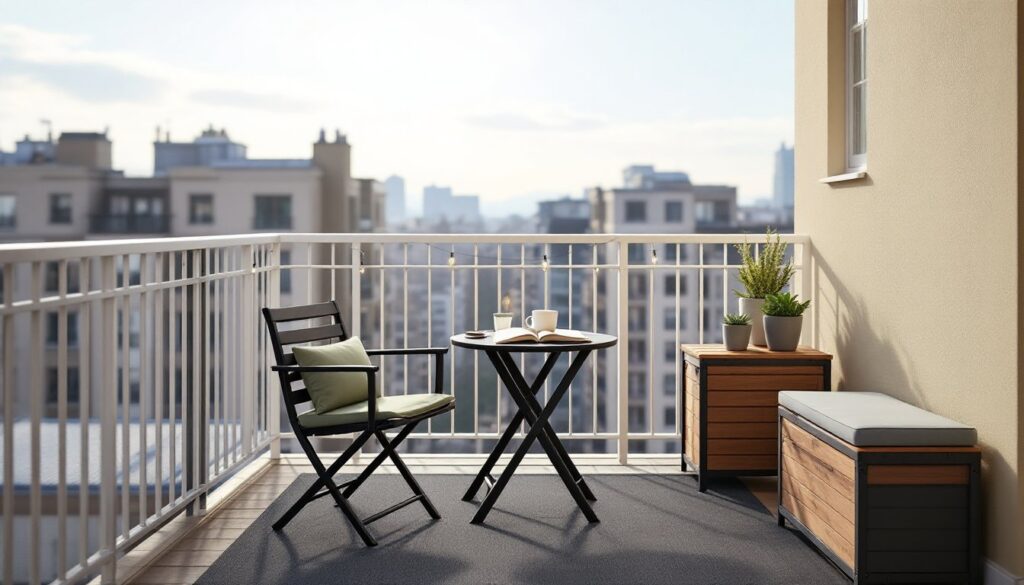
Furnishing an apartment patio isn’t just about picking pieces you like, it’s about working within constraints that don’t exist for suburban homeowners. You’re dealing with limited square footage, weight restrictions, neighbor proximity, and often temporary living situations. The furniture that works beautifully on a sprawling backyard deck will overwhelm a 6×8-foot balcony and create more frustration than function. This guide walks through the specific considerations apartment dwellers face and how to choose furniture that actually enhances small outdoor spaces instead of cluttering them.
Table of Contents
ToggleKey Takeaways
- Patio furniture for apartments must account for weight limits (50-60 pounds per square foot), limited square footage, and building restrictions that suburban patios don’t face.
- Compact dimensions—like 24-28 inch chair depths and 24-30 inch bistro tables—maximize usability in typical 40-60 square foot apartment patios without overwhelming the space.
- Folding and stackable pieces, storage benches, and multi-functional furniture like nesting tables solve the dual challenge of providing comfort while maintaining passage clearance.
- Powder-coated aluminum and HDPE all-weather wicker offer the best durability and lightweight performance for apartment living, while untreated wood, natural wicker, and wrought iron should be avoided.
- Visual openness—via slatted frames, a simple color palette, and vertical design elements—makes small patios feel larger and more intentional than overcrowding with heavy pieces.
- Keeping at least 24-30 inches of walkway clearance and using painter’s tape to preview furniture dimensions before purchasing prevents costly mistakes in confined spaces.
Why Apartment Patio Furniture Requires a Different Approach
Apartment patios come with built-in limitations that change the furniture equation entirely. Weight capacity matters when you’re on a second-floor balcony or higher, most residential balconies are rated for 50-60 pounds per square foot live load, and heavy stone or wrought iron pieces can push those limits, especially when you factor in planters, grills, and occupants.
Mobility is another factor. Renters move more frequently than homeowners, with the average lease lasting 12-24 months. Furniture needs to be light enough to transport without renting a truck, and durable enough to survive multiple moves. Pieces that disassemble or fold flat will save significant hassle during a move.
Space efficiency becomes critical when you’re working with 40-60 square feet of outdoor area, common dimensions for many urban apartment patios. A standard outdoor sectional designed for suburban use can easily consume 80-100 square feet, leaving no room to actually walk or function. You also can’t ignore building rules: many apartment complexes restrict furniture materials (no glass tops that could shatter), colors (neutral tones often required), or placement (fire code clearances from railings).
Storage presents another challenge most house dwellers don’t face. There’s rarely a garage or shed to stash cushions during winter or rainy seasons. Furniture needs to either weather the elements year-round or fit inside a small apartment closet.
Essential Features to Look for in Apartment Patio Furniture
Compact dimensions top the priority list. Look for chairs with depths of 24-28 inches rather than the sprawling 32-36 inch club chairs marketed for backyard use. Bistro sets with 24-30 inch diameter tables work better than standard 36-48 inch dining tables in tight quarters.
Weight matters from two angles: light enough to rearrange or move inside (under 20-25 pounds per piece for chairs), but heavy enough not to blow over in wind. Upper-floor balconies catch more wind than ground-level patios, so ultra-lightweight aluminum or hollow resin pieces may need to be secured or brought inside during storms.
Weather resistance is non-negotiable when storage isn’t an option. Powder-coated aluminum, all-weather wicker (HDPE resin), and marine-grade fabrics hold up to rain and sun without constant maintenance. Skip natural wicker, untreated wood, or fabric cushions without water-resistant covers unless you’re committed to hauling them inside regularly.
UV resistance protects against fading. Outdoor spaces in modern apartment buildings often have western or southern exposures with intense afternoon sun. Furniture rated for 1,500+ hours of UV exposure maintains color better than cheaper alternatives that bleach out within one season.
Look for pieces with multiple configuration options. Modular seating that works as two separate chairs or pushed together as a loveseat adapts to different uses, solo morning coffee versus hosting friends. Avoid permanent configurations that lock you into one layout.
Space-Saving Furniture Styles Perfect for Small Patios
Folding and Stackable Options
Folding bistro sets remain the gold standard for tiny balconies. A two-chair, one-table setup folds completely flat, typically to 2-3 inches thick, and stores behind a door or in a closet. Steel frames with slatted wood or metal seats are most durable: avoid plastic folding sets that crack after one winter.
Stackable chairs free up floor space when not in use. Designs that stack 4-6 high let you store extras vertically in a corner. Molded resin and bent metal styles stack most efficiently, but check that stacked height doesn’t exceed railing height if you plan to store them against the balcony edge.
Folding side tables offer surface space that disappears when unnecessary. Teak or acacia wood versions with powder-coated steel frames handle weather better than particleboard alternatives. A 15×20 inch folding table provides enough space for drinks and a book without permanent footprint.
Wall-mounted drop-leaf tables attach to exterior walls (with landlord permission) and fold down when needed. These work especially well on narrow balconies where floor space is at a premium. Mount height should be 28-30 inches for standard dining chair compatibility.
Multi-Functional Pieces That Do Double Duty
Storage benches solve two problems simultaneously. A 36-48 inch bench with waterproof interior storage holds cushions, gardening supplies, or outdoor toys while providing seating for 2-3 people. Look for gas-shock hinges that hold the lid open safely, cheaper piano hinges slam shut and create pinch points.
Ottomans with removable tops function as extra seating, footrests, or side tables depending on need. Cube ottomans (16-18 inches on all sides) tuck under tables or into corners better than round versions. Interior storage keeps small items organized.
Planter boxes with built-in seating caps create edible gardens or privacy screens while defining seating areas. Many contemporary furniture designs incorporate clean-lined planter-bench combinations that work well in urban settings. Ensure the planter section has proper drainage holes drilled through to avoid water pooling.
Nesting tables provide surface space that collapses down when not needed. A set of two or three tables stores in the footprint of the largest piece. Metal or treated wood frames outlast cheaper composite versions that swell and delaminate with moisture exposure.
Material Selection: Durability Meets Apartment Living
Powder-coated aluminum hits the sweet spot for apartment use. It’s lightweight (a chair typically weighs 12-18 pounds), rust-proof, and durable enough for years of use. Quality powder coating resists chipping better than paint. Welded joints hold up better than bolted assemblies that loosen over time.
All-weather wicker made from high-density polyethylene (HDPE) resin mimics natural wicker’s appearance without the maintenance. It won’t crack, fade, or absorb water. Check that frames underneath are aluminum rather than steel, steel frames rust through the wicker within 2-3 years in humid climates.
Teak and eucalyptus offer natural wood options that weather well outdoors. Both contain natural oils that resist rot and insects. Teak requires less maintenance but costs significantly more, expect $200-400 for a folding teak chair versus $80-150 for eucalyptus. Both will silver to gray patina unless treated with teak oil annually.
Marine-grade textiles (solution-dyed acrylic or polyester) resist UV damage and mildew better than standard outdoor fabrics. Sunbrella is the most recognized brand, but several manufacturers now offer comparable fabrics rated for 1,500-2,000 UV hours. Quick-dry foam cushions prevent that soggy feeling after rain.
Avoid untreated wrought iron or steel, which rust quickly in outdoor environments, especially near coastal areas with salt air. Skip natural wicker or rattan unless the patio has full overhead protection. Glass table tops pose breakage risks during moves and may violate apartment policies. Untreated pine or cedar furniture needs annual sealing and still deteriorates within 3-5 years in exposed conditions.
Design Tips for Making Your Apartment Patio Feel Larger
Choose furniture with open frames and visible legs rather than solid, bulky pieces. Slatted backs and seats create visual lightness. Avoid deep cushions and overstuffed designs that read as heavy in small spaces.
Stick to a simple color palette, two to three colors maximum. Neutral frames (black, white, gray, natural wood tones) with one accent color in cushions or accessories keep the space from feeling chaotic. Too many colors fragment small areas visually.
Scale furniture to the space properly. In a 6×8-foot balcony, two small bistro chairs and a 24-inch round table work better than trying to cram in a loveseat. Use painter’s tape on the floor to outline furniture dimensions before buying, this prevents costly mistakes.
Create defined zones even in tiny spaces. A small outdoor rug (4×6 or 5×7 feet) under seating anchors the area and makes it feel intentional rather than random. Outdoor rugs made from polypropylene resist mold and can be hosed off.
Vertical elements draw the eye up and make ceilings feel higher. Wall-mounted planters, string lights on poles, or a narrow ladder shelf use vertical space without consuming precious floor area. Many ideas from small space design experts emphasize this vertical strategy.
Keep walkways clear. Maintain at least 24-30 inches of clearance for comfortable passage. If furniture blocks the path from door to railing, the space will feel cramped regardless of how nice the pieces are. Sometimes less furniture creates more usable outdoor living area.