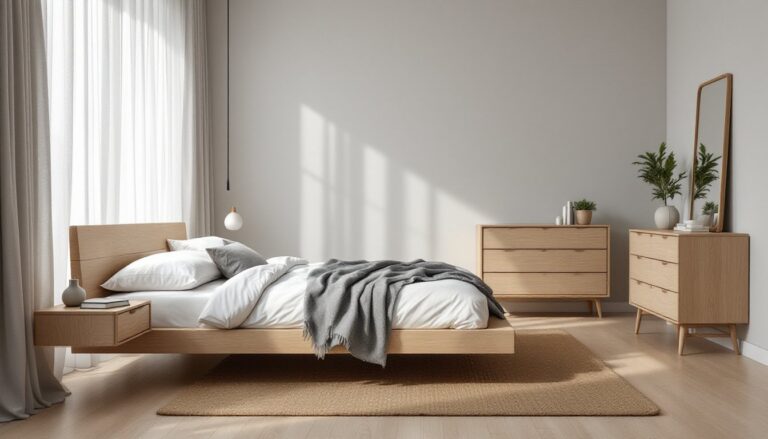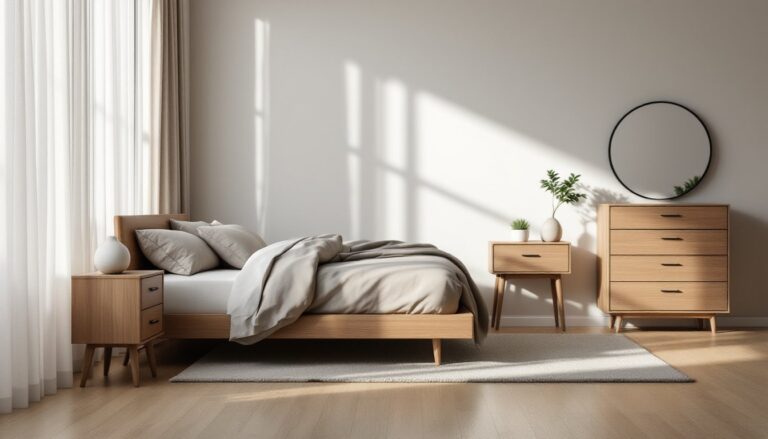
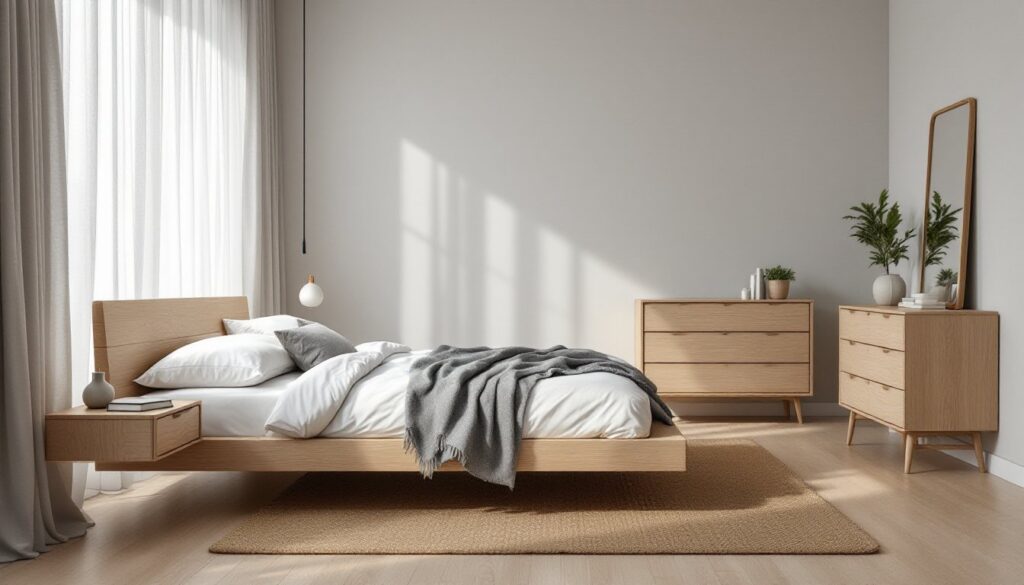
A bedroom packed with furniture, knick-knacks, and visual noise can make it hard to unwind at the end of the day. Minimalist bedroom design strips away the excess, focusing on clean lines, functional pieces, and intentional choices. This isn’t about living like a monk, it’s about creating a calm, purposeful space where every item earns its place. Whether you’re starting from scratch or paring down an existing room, the right furniture makes all the difference. This guide walks through the essentials, material choices, and layout strategies to help anyone build a minimalist bedroom that actually works.
Table of Contents
ToggleKey Takeaways
- Minimalist bedroom furniture emphasizes quality, functionality, and clean lines—reducing clutter while making rooms feel larger and easier to maintain.
- Platform beds, floating nightstands, and low-profile dressers form the core of minimalist bedroom design, eliminating excess ornamentation and visual noise.
- Choose solid hardwood, steel, and natural upholstery fabrics in neutral colors to ensure your minimalist bedroom furniture ages gracefully and maintains timeless appeal.
- Proper furniture placement and scale—anchoring the bed on the longest wall and maintaining 24-inch clearance on both sides—maximizes comfort and flow in tight spaces.
- Prioritize built-in or concealed storage solutions and leave walls intentionally bare to reinforce the minimalist principle that every piece must earn its place.
- Investing in well-made pieces with quality joinery (dovetail or mortise-and-tenon) from solid wood manufacturers outlasts budget alternatives and supports long-term minimalist living.
What Is Minimalist Bedroom Furniture?
Minimalist bedroom furniture emphasizes simplicity, functionality, and quality over quantity. Think pieces with clean geometric forms, neutral color palettes, and zero ornamentation. A minimalist bed doesn’t have a towering headboard with carved scrollwork, it might be a low-profile platform in natural oak or a simple upholstered frame in linen.
The philosophy comes down to three principles: keep only what serves a purpose, choose designs that don’t compete for attention, and let negative space breathe. That means a nightstand with one drawer instead of three tiers of decorative shelving. It means a dresser with flush drawer fronts rather than ornate hardware.
This approach isn’t just aesthetic, it has practical benefits. Fewer pieces mean less dusting, easier cleaning, and a room that feels larger. It also forces intentional decision-making. Every item has to justify its presence, which naturally reduces clutter.
Minimalist furniture often draws from mid-century modern, Scandinavian, and Japanese design traditions. Materials tend to be honest: solid wood, steel, leather, linen. Finishes are matte or satin rather than glossy. The goal is timelessness, not trend-chasing.
Essential Furniture Pieces for a Minimalist Bedroom
The core of any minimalist bedroom comes down to a short list of essential furniture pieces that cover sleep, storage, and personal care. Start with these and add only when necessary.
Platform Beds and Low-Profile Frames
A platform bed is the workhorse of minimalist bedrooms. These frames sit low to the ground, eliminate the need for a box spring, and often feature built-in slat supports. The streamlined silhouette creates visual calm and makes even a small room feel more spacious.
Look for frames made from solid hardwood (oak, walnut, or maple) or steel tubing with a powder-coated finish. Avoid frames with excessive under-bed clearance, 6 to 8 inches is enough for airflow and occasional cleaning. Some platform beds include integrated side rails or a minimal headboard that’s more of a backrest than a statement piece.
If you prefer an upholstered option, choose one with a simple rectangular headboard covered in a neutral fabric like linen or wool. Skip tufting, nailhead trim, or scalloped edges, those details pull focus and date quickly.
For anyone working with limited square footage, a wall-mounted Murphy bed or a tatami-style frame can free up floor space during the day. Just make sure the mechanism is rated for daily use and that installation hits wall studs, not just drywall anchors.
Smart Storage Solutions That Don’t Sacrifice Style
Minimalism doesn’t mean living out of a suitcase, it means storage that’s deliberate and concealed. A floating nightstand with a single drawer keeps surfaces clear. Wall-mounted shelves hold a lamp and a book without the bulk of a traditional bedside table.
For clothing, a low dresser with flush-front drawers works better than a tall chest. The lower profile feels less imposing, and top surfaces can double as a display area for a mirror or a small plant. Look for soft-close drawer glides, nothing disrupts a serene bedroom like the slam of a cheap drawer.
If closet space is tight, consider a freestanding wardrobe in a simple cabinet style. Choose one with solid doors (not glass or open shelving) to hide the visual clutter of hanging clothes. Maintaining strong bedroom organization habits prevents storage furniture from becoming overflow zones.
Built-in storage around the bed, like recessed shelving in a headboard wall or under-bed drawers, keeps items accessible but out of sight. If going the built-in route, make sure you’re not blocking electrical outlets or creating awkward reaches for bedside items.
How to Choose the Right Minimalist Furniture for Your Space
Selecting minimalist furniture starts with honest measurements and a clear-eyed assessment of how the room gets used. Measure the room’s length, width, and ceiling height. Note door swings, window placements, and any architectural quirks like angled walls or radiators.
Scale matters more than style. A queen-size platform bed in a 10×10 room will dominate: a full or even a twin might make more sense. Leave at least 24 inches of clearance on either side of the bed for easy movement and making the bed without gymnastics. If space is tight, consider placing the bed against one wall and using a single nightstand.
Think about vertical space. A room with 9-foot ceilings can handle a taller dresser or a vertical shelving unit. In a room with 8-foot ceilings, keep furniture low to avoid a cramped feeling.
Consider how the room functions beyond sleep. If it doubles as a home office or reading nook, you’ll need a small desk or a comfortable chair. Choose pieces that serve multiple roles, a bench at the foot of the bed provides seating and can store extra linens inside.
Test proportions before buying. Use painter’s tape to outline furniture footprints on the floor. Live with those outlines for a few days to see if the layout feels cramped or if you’re constantly walking around phantom furniture.
Finally, prioritize quality over quantity. One well-made dresser from a solid wood manufacturer will outlast three particleboard units from a big-box store. Look for dovetail or mortise-and-tenon joinery in drawers, and avoid furniture held together only by cam locks and dowels.
Materials and Finishes That Define Minimalist Design
Material choice signals intent in minimalist design. The best pieces showcase honest construction and natural textures rather than veneers and plastic laminate.
Solid hardwood, oak, walnut, ash, or maple, is the gold standard. Look for furniture with a clear or matte finish that lets the wood grain show through. Oil-rubbed or natural wax finishes age gracefully and can be refreshed with a clean cloth and a little more oil. Avoid glossy polyurethane coats: they read more formal than serene.
Metal frames in steel or aluminum work well for platform beds and storage units. Powder-coated finishes in matte black, white, or gray blend into neutral bedroom schemes without calling attention. Welded joints are stronger than bolted assemblies, check corner construction before buying.
Upholstery fabrics should be durable and understated. Linen, cotton canvas, and wool felt all fit the minimalist aesthetic. Stick to solid colors in neutrals, grays, taupes, off-whites, charcoal. Patterns (even subtle ones) can fragment visual flow in a small room.
Contemporary designers often pair natural materials with industrial elements, as seen in modern bedroom design ideas that feature reclaimed wood alongside steel accents.
Avoid synthetic materials that mimic natural ones, fake wood grain vinyl or faux leather don’t age well and undermine the minimalist ethos. If budget is tight, prioritize natural materials for high-touch items (bed frame, nightstand) and consider engineered wood for less visible pieces (inside dresser drawers).
Finish consistency ties a room together. If your bed frame is in natural oak, your nightstand and dresser should match that tone and finish. Mixing woods can work, but it requires a practiced eye, stick with one species until you’re confident.
Layout and Placement Tips for Maximum Impact
Furniture placement in a minimalist bedroom is about balance, flow, and breathing room. The bed is the anchor, start there and build outward.
Place the bed along the longest uninterrupted wall, ideally centered. This creates symmetry and makes the room feel intentional. If the room has two long walls, choose the one opposite the door so the bed is the first thing you see when entering.
Avoid pushing all furniture against the walls. Floating the bed a few inches off the wall (if space allows) adds dimension and makes the room feel less cramped. It also prevents the headboard from bumping and marking the wall over time.
Nightstands should be level with or slightly lower than the mattress top. This makes it easy to reach a glass of water or silence an alarm without sitting up fully. If using a single nightstand (common in tight spaces), place it on the side of the bed you exit most often.
Dressers and storage pieces work best on perpendicular walls to the bed. This keeps sightlines open and prevents the room from feeling like a hallway. Leave at least 36 inches of clearance in front of drawers so they can open fully without hitting the bed frame.
Design blogs like Design Milk frequently showcase layouts that maximize function without crowding. For anyone considering bedroom furniture options, studying these layouts can clarify what works in different room sizes.
Use rugs to define zones. A simple wool or jute rug under the bed (extending at least 18 inches beyond the sides and foot) grounds the space. Skip layering multiple small rugs, it fragments the floor plane and adds visual noise.
Keep pathways clear. The route from the door to the bed and from the bed to the closet should be free of obstacles. This isn’t just aesthetic, it’s a safety consideration, especially in low light.
If the room has a window, position the bed so morning light doesn’t hit your face directly. Side lighting is more pleasant and gives you control with curtains or blinds. Avoid placing tall furniture in front of windows, it blocks natural light and makes the room feel darker.
For those exploring complete bedroom furniture setups, understanding how pieces interact spatially prevents costly mistakes. Minimalist bedroom furniture sets often include a bed, nightstand, and dresser designed to work together in proportion and finish, which simplifies layout planning. When shopping for minimalist bedroom furniture sets, look for collections that offer modular pieces so you can scale up or down based on room size.
Finally, leave some walls bare. Not every vertical surface needs a shelf or a piece of art. Empty walls create rest for the eye and reinforce the minimalist principle that less is more. For additional bedroom design inspiration, explore modern approaches that emphasize space and light over ornamentation.