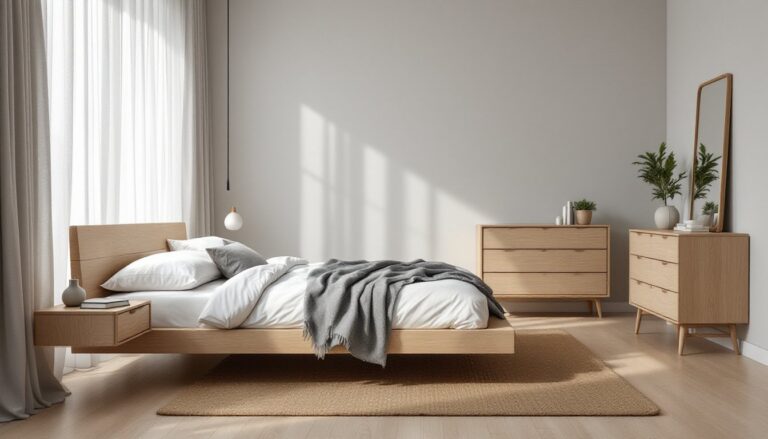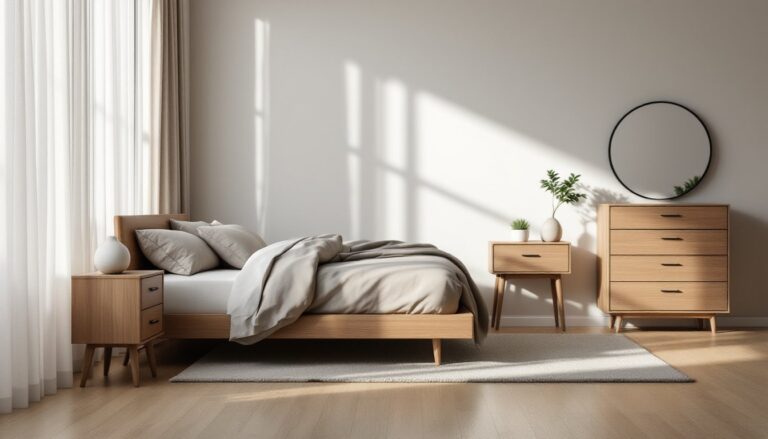
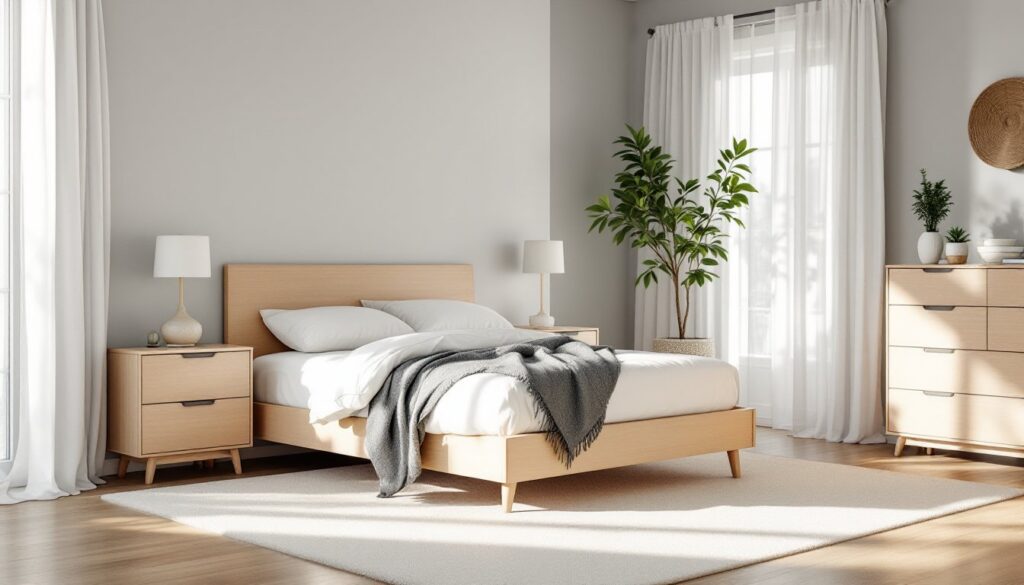
Maple bedroom furniture has earned its reputation as a go-to choice for homeowners who want durability without sacrificing style. Unlike softer woods that dent easily or trendy materials that look dated in a few years, maple delivers strength and a clean aesthetic that works with just about any design direction. Whether you’re furnishing a master suite or a guest room, understanding what makes maple stand out, and how to select and maintain it, will help you make choices that last decades, not seasons.
Table of Contents
ToggleKey Takeaways
- Maple bedroom furniture ranks among the hardest domestic hardwoods with superior durability, resisting dents and scratches far better than oak, cherry, or walnut, making it ideal for long-lasting bedroom investments.
- Maple’s tight, even grain and light neutral color—ranging from creamy white to pale amber—provide a versatile backdrop that adapts to any design style, from modern Scandinavian to traditional farmhouse aesthetics.
- When selecting maple pieces, prioritize dovetail joinery in drawers, full-extension ball-bearing slides, and solid wood construction with proper support systems to ensure decades of reliable performance.
- Maple’s dense surface requires special finishing care, including pre-stain conditioning to avoid blotching, and polyurethane or gel stains work best for achieving even, professional-looking results.
- Maintain maple bedroom furniture by dusting regularly with microfiber cloths, controlling humidity between 35–55%, using coasters and felt pads for protection, and tightening hardware annually to prevent joint loosening.
- Balance maple’s visual weight by spacing pieces throughout the room and layering lighting to highlight the wood’s subtle grain while complementing various color palettes and textile choices.
Why Maple Is the Perfect Wood Choice for Your Bedroom
Maple ranks among the hardest domestic hardwoods, with a Janka hardness rating of around 1,450 for hard maple (also called sugar maple or rock maple). That’s significantly harder than oak, cherry, or walnut. In practical terms, this means maple furniture resists dents from dropped phones, scratches from keys, and wear from daily use better than most alternatives.
The wood’s tight, even grain also makes it ideal for furniture construction. Unlike oak with its prominent grain or pine with visible knots, maple offers a smooth, consistent surface that takes finishes evenly. You won’t see wild variations in color or unexpected grain patterns that can make matching pieces tricky.
Maple’s natural light color, ranging from creamy white to pale amber, gives it versatility. It brightens smaller bedrooms and serves as a neutral backdrop for changing decor. If you ever want to shift from dark bedding to light linens, or swap wall colors, maple adapts without clashing.
From a construction standpoint, maple’s stability matters. It has moderate shrinkage rates and holds joinery well, which translates to drawers that don’t stick, doors that stay aligned, and frames that don’t wobble after a few years. For bedroom furniture essentials, that structural reliability is non-negotiable.
One note: maple is heavier and denser than softer woods, so moving large pieces like dressers requires planning and possibly a second pair of hands.
Types of Maple Bedroom Furniture to Consider
Bed Frames and Headboards
Platform beds in maple offer clean lines and don’t require a box spring, which keeps the profile low and modern. Look for frames built with mortise-and-tenon joinery or metal corner brackets rated for at least 500 lbs distributed weight. Solid maple slats spaced no more than 3 inches apart provide adequate mattress support without sagging.
Panel beds with maple headboards and footboards suit traditional or transitional styles. Check that panels are solid wood or furniture-grade plywood with a maple veneer face, both are durable, but veneer over engineered core can be lighter and more dimensionally stable in fluctuating humidity.
For DIY builders, maple works well for slatted headboard projects. Expect to pay $6–$10 per board foot for hard maple depending on your region and lumber grade (Select or FAS grade gives you the cleanest faces). A table saw or miter saw handles cuts cleanly: pre-drill screw holes to prevent splitting.
Sleigh beds and poster beds in maple make a statement, but their heft and joinery complexity often warrant professional assembly. If you’re purchasing ready-made, confirm that turnings and curved elements are solid maple, not composite wrapped in veneer.
Dressers, Nightstands, and Storage Solutions
Dovetail joinery in drawers is the gold standard. Look for through-dovetails or half-blind dovetails in maple drawer boxes, these joints lock mechanically and handle decades of opening and closing. Avoid stapled or glued butt joints in anything you plan to keep long-term.
Drawer bottoms should be at least 1/4-inch plywood set into grooves (not just nailed to the bottom). Full-extension ball-bearing slides rated for 75–100 lbs make accessing contents easier and reduce stress on the drawer box itself.
For nightstands, consider whether you need one or two drawers versus open shelving. Maple’s density makes even small pieces feel substantial, so a single-drawer nightstand won’t feel flimsy. If you’re building, standard nightstand dimensions are 24–28 inches tall (matching typical mattress height) and 18–24 inches wide.
Armoires and wardrobes in maple provide bedroom storage when closet space is limited. Check that shelves are at least 3/4-inch thick and supported with adjustable pins or fixed dados every 32–36 inches to prevent sagging under folded clothes or bins. Hanging rods should be 1-1/4 inch diameter hardwood dowels or metal rods rated for at least 50 lbs.
Many quality furniture pieces incorporate maple plywood for large panels like dresser backs and drawer bottoms, this reduces weight and cost without compromising strength.
Choosing the Right Finish for Your Maple Furniture
Maple’s tight grain means it doesn’t absorb stain as evenly as oak or ash. If you want a darker finish, expect blotching unless the wood is pre-treated with a wood conditioner (like Minwax Pre-Stain) or sealed with a wash coat of dewaxed shellac. Apply conditioner 15–30 minutes before staining, following grain direction.
Natural or clear finishes highlight maple’s pale color and subtle grain. Polyurethane (oil-based or water-based) offers durable protection for surfaces that see daily contact. Oil-based poly ambers slightly over time: water-based stays clearer but costs more and requires more coats (typically three thin coats versus two thicker ones).
Conversion varnish or catalyzed lacquer is common in commercial maple furniture and offers superior scratch and solvent resistance. These finishes require spray equipment and proper ventilation, not practical for most DIYers, but worth recognizing if you’re comparing factory-finished pieces.
Painted finishes work well on maple because the smooth surface minimizes brush marks. Use a bonding primer (like Benjamin Moore’s INSL-X STIX or Zinsser’s B-I-N shellac primer) before topcoat. Two coats of a durable interior paint (satin or semi-gloss sheen) will hold up to daily wear. Light sanding with 220-grit between coats improves adhesion.
Gel stains provide more control and even color on maple than liquid stains. They sit on the surface rather than penetrating deeply, which reduces blotching. Apply with a rag or brush, wipe excess after 3–5 minutes, and allow 24 hours between coats.
For projects inspired by contemporary bedroom ideas, consider a dark gel stain or black paint over maple, this preserves the wood’s smooth surface while shifting the aesthetic to a bolder palette.
Always test your finish on scrap maple or an inconspicuous area before committing to the entire piece.
How to Care for and Maintain Maple Bedroom Furniture
Dust regularly with a microfiber cloth or lamb’s wool duster. Avoid feather dusters, they push dust around rather than capturing it. For finished maple, dusting every few days prevents buildup that can dull the surface.
Clean spills immediately. Maple’s dense grain resists moisture better than softer woods, but standing water can still damage finishes or seep into joints. Blot (don’t wipe) spills with a clean, dry cloth, then follow with a barely damp cloth if needed. Dry thoroughly.
Use furniture polish sparingly, once every few months is plenty. Oil-based polishes (like Howard Feed-N-Wax or Daddy Van’s) nourish natural or oil finishes, while silicone-based sprays suit poly-finished pieces. Avoid products with wax buildup on polyurethane: they can create a cloudy film over time.
Protect surfaces with coasters, felt pads under lamps, and trays for jewelry or keys. Maple resists dents, but it’s not invincible. Felt pads under dresser accessories prevent micro-scratches.
Control humidity between 35–55%. Maple expands and contracts with seasonal changes, which can cause joints to loosen or panels to crack. A whole-home humidifier in winter and a dehumidifier in summer help, especially in climates with extreme swings.
Address scratches by touch-up markers (MinWax or Mohawk make color-matched options) for minor surface marks. Deeper gouges may require light sanding (220-grit), re-staining, and topcoat blending, this is easier on natural finishes than stained ones.
Tighten hardware annually. Drawer pulls, bed bolts, and hinge screws can work loose with use. A quick pass with a screwdriver or Allen wrench keeps everything solid.
For those tackling projects on sites like Fix This Build That, remember that proper finishing and maintenance are what separate furniture that lasts from pieces that look worn in five years.
Styling Your Bedroom Around Maple Furniture
Maple’s light neutral tone pairs well with nearly any color palette. In modern or Scandinavian interiors, keep walls white or soft gray and add texture through linen bedding, wool throws, and simple art. The pale wood reinforces the airy, uncluttered vibe.
For traditional or farmhouse styles, pair maple with warmer tones, cream, taupe, or sage green. Layered textiles (quilts, patterned rugs, curtains) add visual weight without competing with the wood.
In mid-century or transitional rooms, maple’s clean lines shine. Use accent colors like mustard, teal, or burnt orange in pillows and artwork. Keep lighting simple, brass or matte black fixtures complement the wood without overwhelming it.
Contrast maple with darker elements for depth. A charcoal accent wall, black iron bed frame details, or espresso-finished side tables create visual interest while letting the maple remain the focal point.
Avoid matching every wood tone exactly, this can look flat. Mixing maple with walnut or oak accents (a bench, mirror frame, or floating shelf) adds dimension, as long as finishes are consistent (all natural, or all stained).
For comprehensive bedroom layouts, balance maple’s visual weight by spacing pieces around the room rather than clustering them on one wall. Nightstands don’t have to match the dresser perfectly, coordinating style and finish is often enough.
Lighting matters. Maple reflects light well, so avoid overly harsh overhead fixtures. Layered lighting, bedside lamps, a ceiling fixture on a dimmer, and maybe a floor lamp, lets you adjust ambiance and highlights the wood’s subtle grain.
Textile choices can shift the mood dramatically. Crisp white linens and minimal decor lean modern: velvet, patterned quilts, and antique accents push traditional. Maple accommodates both.
DIYers looking to build their own pieces will find resources on The Handyman’s Daughter helpful for step-by-step furniture projects that integrate seamlessly with purchased maple pieces.