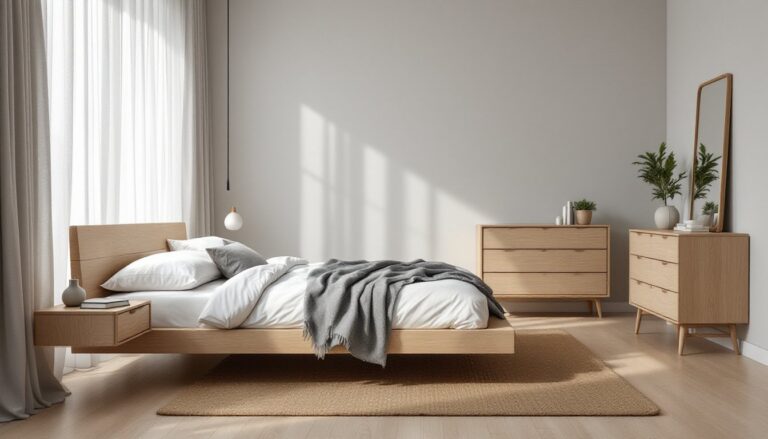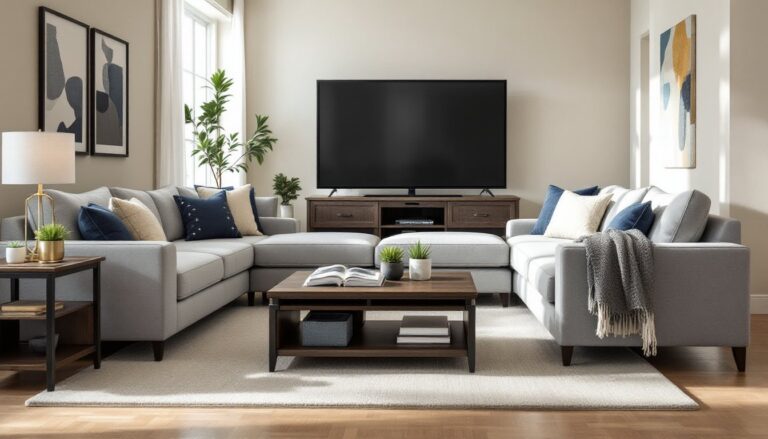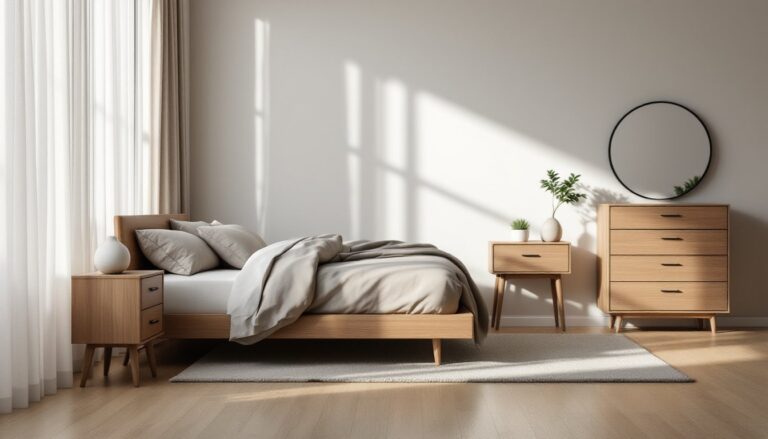
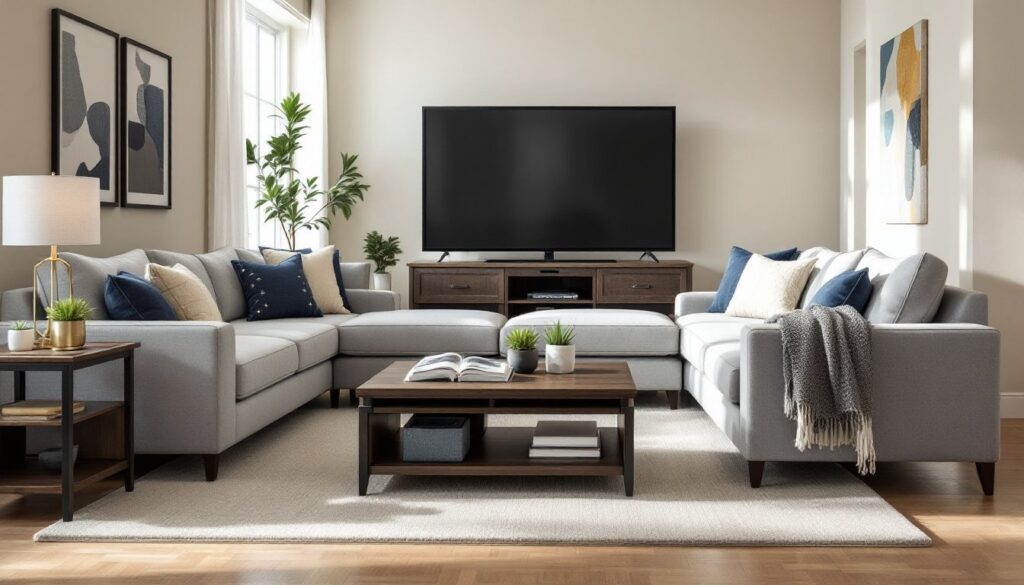
Furnishing a living room isn’t just about filling space, it’s about creating a functional, comfortable hub where families gather, guests relax, and daily life unfolds. Aaron’s has built a solid reputation as a lease-to-own retailer offering living room furniture that balances contemporary style with practical pricing structures. Whether someone’s furnishing their first apartment, recovering from a move, or updating a tired space on a budget, Aaron’s provides access to furniture collections without the upfront cost barrier of traditional retail. This guide breaks down what Aaron’s offers, how their furniture performs in real-world use, and how to make smart choices that fit both space and budget.
Table of Contents
ToggleKey Takeaways
- Aaron’s living room furniture operates on a lease-to-own model that eliminates upfront costs, making it ideal for renters, those rebuilding credit, or anyone needing furniture immediately without a large down payment.
- Sofa cushion firmness and frame quality matter more than warranty length—look for high-density foam (1.8 to 2.0 lb/ft³) and hardwood frames to ensure longevity in your living room setup.
- Delivery, assembly, and repairs during the lease period are included at Aaron’s, removing logistical headaches and providing a safety net that traditional furniture purchases don’t offer.
- Accurate room measurements, doorway verification, and understanding how you use the space (families with kids, pet owners, open-concept living) should guide your Aaron’s furniture selections to avoid costly mistakes.
- Total lease costs often exceed cash prices—an $800 sofa might cost $1,080 over 18 months—so compare this against your ability to save for used furniture or buy outright before committing.
- Styling affordable Aaron’s furniture with layered textures, strategic lighting, and intentional storage keeps spaces cohesive and polished without overspending on accessories.
What Makes Aaron’s Living Room Furniture Stand Out?
Aaron’s operates on a lease-to-own model, which fundamentally changes how customers acquire furniture. Instead of paying the full retail price upfront or financing through traditional credit, renters make weekly or monthly payments until they own the piece outright or choose to return it. This structure appeals to renters, those rebuilding credit, or anyone who needs furniture immediately without a lump sum.
The furniture itself spans budget-friendly to mid-range quality. Most pieces use engineered wood frames, polyester or microfiber upholstery, and laminate finishes, materials designed for reasonable durability without premium pricing. Aaron’s sources from manufacturers who supply other lease-to-own and big-box retailers, so quality is comparable to what’s found at similar price points elsewhere. Frames typically use kiln-dried hardwood or composite materials, and cushions feature high-density foam with polyester fill.
Delivery and setup are included, which eliminates the logistical headache of wrestling a sectional up a stairwell. Technicians assemble items on-site, a significant advantage for anyone lacking tools or a truck. If a piece breaks under normal use during the lease period, Aaron’s handles repairs or replacements at no additional cost, a practical safety net that traditional furniture purchases don’t offer.
The trade-off? Total cost over the lease term often exceeds the cash price. Renters pay for convenience, flexibility, and the ability to return items if circumstances change. It’s not the cheapest route for someone who can afford to pay cash, but it serves a specific need for those who can’t.
Popular Living Room Furniture Collections at Aaron’s
Aaron’s rotates inventory seasonally, but several core collections appear consistently across locations. Understanding the construction and use case for each category helps narrow down what actually fits a household’s needs.
Sofas and Sectionals
Sofas at Aaron’s range from compact two-seaters around 72 inches wide to sprawling sectionals that can exceed 120 inches in L-shaped configurations. Popular styles include:
- Stationary sofas: Traditional three-cushion designs with hardwood or engineered frames, sinuous spring support, and microfiber, polyester, or faux leather upholstery. These work well in formal living rooms or smaller spaces where a sectional would overwhelm the floor plan.
- Reclining sofas: Manual or power recliners with steel mechanisms. Power versions require access to an outlet, so plan furniture placement accordingly. Reclining frames are bulkier, expect depths of 38 to 42 inches, which can crowd narrower rooms.
- Sectionals: Modular or fixed L-shapes and U-shapes. Many include a chaise lounge section. These anchor open-concept spaces but require careful measurement. A standard sectional might measure 100 x 80 inches, so verify doorways, stairwells, and room dimensions before delivery.
Cushion firmness varies by model. High-density foam (1.8 to 2.0 lb/ft³) holds up better over time than softer, lower-density fill. Ask about foam density if longevity matters, it’s a better predictor of durability than warranty length. Microfiber upholstery resists stains better than polyester and cleans easier than faux leather, which can crack or peel with heavy use.
Coffee Tables and Accent Pieces
Accent furniture at Aaron’s includes coffee tables, end tables, TV stands, and console tables. Most use laminate-finished particleboard or MDF with metal or wood-look frames. These pieces are lightweight and easy to move, but they won’t handle the same abuse as solid wood.
- Coffee tables: Typical dimensions run 48 to 50 inches long by 24 to 28 inches wide. Styles range from rustic farmhouse with distressed finishes to modern glass-top designs with metal bases. Look for tables with lower shelves or drawers for extra storage, a practical addition in smaller homes.
- End tables: Usually 22 to 24 inches square. Matching sets create a cohesive look, but mixing finishes (like pairing a dark wood coffee table with lighter end tables) adds visual interest without clashing.
- TV stands: Sized to accommodate 50- to 75-inch screens. Most include cable management cutouts and adjustable shelves for components. Confirm the stand’s weight capacity, larger TVs can exceed 50 pounds, and flimsy construction leads to sagging shelves.
Metal accent tables with tempered glass tops are sturdier than all-wood options in this price range. The glass resists scratches and wipes clean easily, though it shows fingerprints. Avoid placing heavy tools or rough materials directly on glass surfaces during DIY projects, tempered glass can chip if struck on edges.
How to Choose the Right Aaron’s Furniture for Your Living Space
Furniture shopping without a plan leads to pieces that don’t fit the room or daily use patterns. Start with measurements and honest assessments of how the space functions.
Measure the room accurately. Note the length and width, but also measure doorways, hallways, and stairwells furniture must pass through. A sectional that fits the living room won’t help if it can’t make the turn at the landing. Leave at least 30 to 36 inches of walkway space around furniture for comfortable traffic flow.
Consider the room’s proportions. A massive sectional in a 12 x 14-foot room will dominate and make the space feel cramped. Conversely, a small loveseat in a large, open-concept area looks lost. As a rule, a sofa should occupy roughly two-thirds the length of the wall it sits against.
Match furniture to use patterns. Families with young kids benefit from durable, stain-resistant microfiber over delicate fabrics. Pet owners should skip faux leather, which cats and dogs can shred. If the living room doubles as a workspace or guest room, a sleeper sofa or modular sectional with movable pieces offers flexibility.
Test the furniture in person if possible. Aaron’s showrooms let customers sit, recline, and open drawers. Check cushion firmness, arm height, and seat depth. A too-deep seat (over 24 inches) makes it hard to sit upright: too shallow feels perched. Arm height matters if the sofa sits next to end tables, mismatched heights look awkward.
Think about future moves. Lease-to-own furniture can be returned, but if the plan is to own it, consider whether it’ll work in the next home. Neutral colors and classic silhouettes adapt better than trendy styles or bold patterns tied to current decor.
Modern furniture trends lean toward budget renovation strategies that prioritize adaptable pieces, so choosing versatile options now saves headaches later.
Styling Your Living Room with Aaron’s Furniture
Even budget-friendly furniture can look polished with deliberate styling. The goal is to create a cohesive, functional space without overspending on accessories.
Anchor the room with the sofa or sectional. Position it facing the main focal point, a fireplace, TV, or large window. Float the sofa a few inches off the wall in larger rooms to create depth. In smaller spaces, pushing it against the wall maximizes floor space.
Layer textures and materials. Aaron’s furniture tends toward uniform finishes, dark wood, gray microfiber, black metal. Break monotony by adding throw pillows in varied fabrics (linen, cotton, velvet), a textured area rug, and a chunky knit blanket. These small additions cost less than furniture but make a big visual impact.
Use lighting to define zones. A floor lamp behind the sofa or a table lamp on an end table adds ambient light and draws the eye around the room. Avoid relying solely on overhead lighting, which flattens the space. For inspiration on balancing modern elements, contemporary furniture layouts often showcase how lighting and accessories elevate simple pieces.
Incorporate storage where possible. Coffee tables with drawers or lower shelves keep remotes, magazines, and coasters within reach but out of sight. Baskets under end tables corral clutter. This is especially critical in smaller homes where every square foot counts.
Don’t overcrowd the space. Every surface doesn’t need decor. A coffee table with a tray, a small plant, and one book looks intentional. Ten items scattered across it looks chaotic. Same with walls, one or two larger pieces of art beats a cluster of tiny frames.
Maintain finishes properly. Microfiber cleans with mild soap and water: blot spills immediately to prevent staining. Vacuum upholstery monthly to remove dust and pet hair. Laminate surfaces wipe clean with a damp cloth, avoid harsh chemicals that can dull the finish. Tighten loose screws on tables and stands every few months to prevent wobbling.
Rooms styled thoughtfully, even with affordable furniture choices, can rival higher-end spaces if the fundamentals, scale, lighting, and editing, are handled well.
Pricing, Financing, and Lease-to-Own Options
Aaron’s pricing structure differs significantly from traditional retail, and understanding the numbers upfront prevents surprises.
Lease terms typically range from 12 to 24 months, with weekly or monthly payment options. A sofa with a cash price of $800 might cost $60 per month over 18 months, totaling $1,080, a $280 premium for the flexibility. The longer the lease term, the higher the total cost.
Early buyout options exist. Some agreements allow renters to purchase the item outright after a certain number of payments at a discounted rate. This can reduce the total cost if financial circumstances improve mid-lease. Always ask about early buyout terms before signing.
No credit needed, but income verification is required. Aaron’s approves most applicants as long as they can demonstrate steady income and a checking account. This makes it accessible to those rebuilding credit or who don’t qualify for traditional financing.
Delivery and setup fees are usually included, though some locations charge nominal fees. Confirm this upfront. If the lease ends and the customer chooses not to purchase, Aaron’s picks up the furniture at no cost, another logistical advantage over buying and reselling used furniture.
Wear-and-tear policies vary. Normal use is covered, but excessive damage (burns, deep tears, structural breaks from misuse) may incur fees. Read the fine print and treat leased furniture as if it’s owned to avoid charges.
Compare total cost to alternatives. For someone who can save $60 monthly for six months, buying a $360 used sofa outright might make more sense than leasing a new one for $1,080 over 18 months. But for those who need furniture immediately and lack savings, Aaron’s fills a gap that traditional retail and secondhand markets can’t.
Regional pricing varies. A sectional in a metro area might lease for $80 monthly, while the same piece in a smaller market runs $65. Market conditions, location overhead, and local competition all affect pricing. Get a quote specific to the local store rather than relying on national estimates.
Aaron’s isn’t the cheapest path to furniture ownership, but for households needing flexibility, immediate access, and built-in service, the lease-to-own model offers a practical solution. Approach it with clear understanding of total cost, lease terms, and realistic assessments of how long the furniture will be needed.