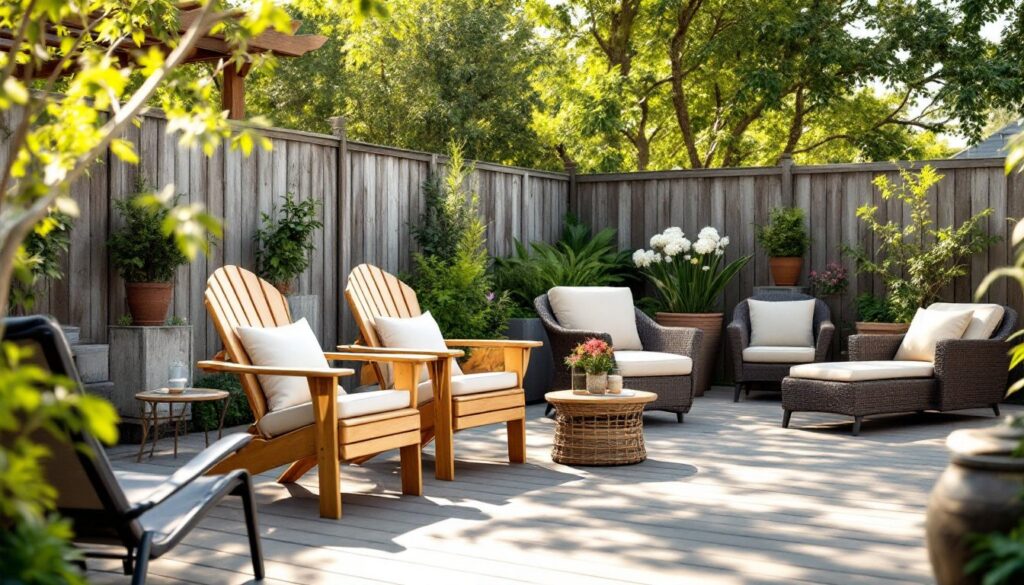
Choosing the right patio chairs isn’t just about matching cushions to your planters. The wrong material leaves you with cracked resin by July. The wrong dimensions mean a dining table nobody wants to sit at. And skipping ergonomics? You’ll feel it after twenty minutes at your own cookout. This guide walks through types, materials, comfort factors, and the maintenance habits that separate five-season furniture from three-year junk.
Table of Contents
ToggleKey Takeaways
- Select patio furniture chairs based on material durability for your climate—teak lasts 15-25 years, while cheaper polypropylene resin cracks within 2-4 years.
- Match outdoor chair dimensions to your setup: dining chairs need 17-19 inch seat heights for standard tables, and lounge chairs should offer 20-24 inch seat depth for extended comfort.
- Prioritize ergonomic features like contoured seats, proper backrest angles (90-100 degrees for dining, 100-120 for lounging), and armrest height at 7-9 inches above the seat.
- Invest in high-quality cushions with high-density polyurethane foam and solution-dyed acrylic fabric rated 1,500+ hours UV resistance to prevent mildew and fading.
- Extend patio chairs’ lifespan with annual maintenance: sand and seal wood yearly, wipe down metal with soapy water, rinse resin furniture monthly, and store cushions indoors during winter freeze-thaw cycles.
Types of Patio Furniture Chairs for Every Outdoor Space
Adirondack Chairs and Lounge Chairs
Adirondack chairs are the classic slanted-back, wide-arm design originally made from white cedar or pine. They sit low, typically 14-16 inches off the ground, with a reclined back angle around 20-25 degrees. That geometry works for casual lounging but not for dining or reading at a table. Most DIYers can build an Adirondack chair with basic carpentry skills, a circular saw, and a pocket hole jig.
Modern lounge chairs range from zero-gravity recliners (steel frame with mesh or padded fabric) to deep-seat club chairs with 5-6 inch cushions. Look for adjustable backrests if the chair will serve multiple purposes, reading, napping, or sunbathing. Weight capacity matters: budget models cap out around 250 lbs, while heavy-duty aluminum or steel frames handle 350+ lbs.
Dining Chairs and Conversation Seating
Outdoor dining chairs need a seat height of 17-19 inches to pair with standard patio tables (28-30 inches tall). Stackable aluminum or resin designs save storage space but often lack armrests. If you’re hosting dinners longer than an hour, prioritize chairs with contoured seats and lumbar support, flat slats get uncomfortable fast.
Conversation sets typically include four armchairs with a lower profile (seat height 15-17 inches) arranged around a coffee table or fire pit. Armrests should be wide enough to rest a drink but not so deep they crowd a small patio. Measure your space: allow 24-30 inches of clearance behind each chair for someone to walk or pull the chair out without hitting a railing or planter.
Materials That Matter: Choosing Durable Patio Chair Construction
Wood: Teak, eucalyptus, and acacia top the durability list. Teak contains natural oils that resist moisture and insects: expect 15-25 years outdoors with minimal care. Cedar and pine cost less but need annual sealing or staining to prevent rot and splintering. Avoid pressure-treated southern yellow pine for seating, the chemical treatment can leach onto skin and clothing.
Metal: Powder-coated aluminum won’t rust and weighs 30-40% less than steel, making chairs easy to move. Steel (especially wrought iron reproductions) offers a heavier, sturdier feel but rusts if the finish chips, inspect welds and joints annually. Cast aluminum furniture often mimics ornate ironwork without the corrosion risk. All metal chairs get hot in direct sun: cushions or sling fabric seats solve that problem.
Resin and Plastic: High-density polyethylene (HDPE) resin, often marketed as “poly lumber” or “recycled plastic lumber”, resists UV degradation, mold, and saltwater. It’s common in patio furniture for coastal and poolside areas where other materials corrode quickly. Cheaper polypropylene resin fades and cracks within 2-4 years. Check wall thickness: quality resin chairs have at least 1/2-inch thick material at stress points.
Wicker and Rattan: Natural rattan is indoor-only. “All-weather wicker” refers to synthetic resin wicker woven over aluminum or steel frames. Look for UV-resistant polyethylene wicker with a rating of at least 2,000 hours (some premium lines reach 3,000+ hours). Inspect the weave density, loose, widely spaced strands snag clothing and sag faster.
Comfort and Ergonomics: What to Look for in Outdoor Seating
Seat depth is the distance from the front edge to the backrest. For dining and conversation chairs, aim for 16-18 inches, enough to support your thighs without forcing you to perch on the edge or slouch back. Lounge chairs can go deeper (20-24 inches), but test before buying if you’re under 5’6″ or over 6’2″: proportions matter.
Backrest angle and height: Upright chairs (90-100 degrees) suit dining. Reclined chairs (100-120 degrees) work for lounging. If the backrest ends below your shoulder blades, you’ll lack upper-back support during long sits. Adjustable positions add versatility but introduce more pivot points that can corrode or jam outdoors.
Armrest height and width: Armrests should align with your elbow when your shoulders are relaxed, typically 7-9 inches above the seat. Flat, wide armrests (4+ inches) double as side tables for a phone or drink. Narrow round arms save space but offer less surface area. If the chair will slide under a table, measure armrest height against the table apron: many outdoor dining chairs are designed with lower arms to tuck in fully.
Cushion thickness and fill: Outdoor cushions range from 2-6 inches thick. Thinner cushions dry faster: thicker ones stay comfortable longer but trap moisture if not made from quick-dry foam. Look for high-density polyurethane foam wrapped in Dacron or polyester batting, covered in solution-dyed acrylic fabric (brands like Sunbrella rate 1,500+ hours UV resistance). Avoid cotton or cheap olefin, they mildew and fade.
Weight and stability: Lightweight chairs (under 15 lbs) blow over in wind or tip easily on uneven decking. Heavier chairs (25+ lbs) stay put but become a chore to rearrange. If your patio is exposed, consider chairs with a low center of gravity or tie-downs for coastal areas.
Maintenance and Care Tips to Extend Your Chairs’ Lifespan
Wood chairs: Hose off dirt monthly. Once a year, sand lightly with 120-grit sandpaper, wipe clean, and apply a coat of teak oil (for teak) or exterior wood stain/sealer (for pine or cedar). Let teak age naturally to a silver-gray patina if you prefer low maintenance, it won’t harm the wood. Check for loose screws and splits in armrests or seat slats: tighten hardware with a screwdriver and wood glue any cracks before they spread.
Metal chairs: Wipe down powder-coated aluminum or steel with soapy water and a soft brush. If you spot rust, sand it with 80-grit sandpaper, apply a rust-inhibiting primer, and touch up with matching spray paint. Store cushions during winter to prevent frame corrosion from trapped moisture. Lubricate hinges or reclining mechanisms annually with silicone spray, not WD-40, which attracts dust.
Resin and wicker: Spray with a hose and scrub with a soft-bristle brush and mild detergent. Bleach solutions (1 part bleach to 10 parts water) remove mildew but can lighten colors, test in an inconspicuous spot. Resin chairs rarely need more than a rinse, but UV protectant sprays extend color life in high-sun areas. For wicker, vacuum out debris from the weave before washing to prevent mold inside the strands.
Cushions and fabric: Remove covers and machine wash on a gentle cycle if labeled washable. Air-dry only, heat shrinks most outdoor fabrics. For non-removable cushions, hose them down and scrub with a deck brush and soapy water, then stand them on edge to drain and dry. Store cushions in a ventilated bin or shed during the off-season, plastic storage boxes trap moisture and encourage mildew.
Winter storage: If you experience freeze-thaw cycles, bring cushions and lightweight chairs indoors or into a shed. Stack metal and resin chairs under a breathable cover (not plastic tarps, which trap condensation). Teak and aluminum can stay outside uncovered, but flipping chairs upside down or tilting them against a wall prevents water from pooling in seat pans.
Conclusion
The right patio chair handles UV, moisture, and daily use without constant babysitting. Match material to your climate, seat dimensions to your table height, and cushion thickness to how long you actually sit outside. Buy what you’ll maintain, and you’ll get a decade or more from a well-chosen set.