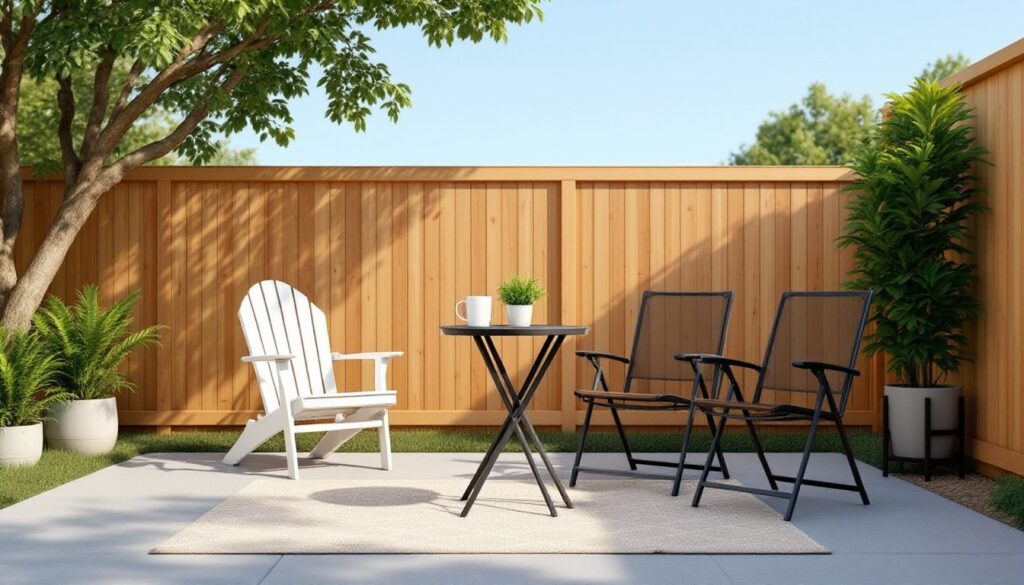
Setting up a functional, comfortable patio doesn’t require a four-figure budget. With the right approach, a single $150 piece, or even a complete setup splitting that budget across multiple finds, can turn a bare concrete slab into a livable outdoor room. The trick isn’t chasing luxury materials or showroom aesthetics. It’s knowing which furniture types hold up, where corners can safely be cut, and how to spot the difference between a smart bargain and a piece that’ll disintegrate by mid-July.
Table of Contents
ToggleKey Takeaways
- Patio furniture under $150 sits at the sweet spot for durability, offering UV-resistant resin, powder-coated frames, and solution-dyed fabrics that survive typical sun exposure without immediate rust or structural sag.
- Bistro sets, folding sling chairs, and Adirondack chairs are the top patio furniture pieces that deliver the best value, with stable two-seat bistro sets dominating the under-$150 category for compact, functional outdoor dining.
- Prioritize materials like powder-coated steel, PE wicker, and Textilene fabrics that resist rust, UV degradation, and moisture while avoiding untreated softwoods that require expensive annual sealing and maintenance.
- Shop during seasonal sales (Memorial Day, Fourth of July, Labor Day) and end-of-season clearance (late August–September) for 20–50 percent discounts on patio furniture under $150 at big-box retailers.
- Build your budget patio setup incrementally by starting with one quality anchor piece, adding DIY cushions, outdoor rugs, and storage solutions rather than settling for cheaper matched sets that underperform.
- Refresh tired furniture with rust-inhibiting spray paint ($15) or wrap DIY cushions using outdoor fabric ($12–20 per yard) and high-density foam ($25–40) to extend your patio’s lifespan without major investment.
Why $150 Is the Sweet Spot for Affordable Patio Furniture
The $150 threshold sits right at the edge of functional durability. Below $50, most patio furniture uses thin-gauge steel tubing, uncoated fasteners, and mesh fabric that stretches out after one season. Above $200, shoppers start paying for designer frames, commercial-grade powder coating, and lifetime warranties they may not need for a residential deck.
At $150, manufacturers can afford UV-resistant resin, galvanized or powder-coated steel frames, and solution-dyed polyester fabrics that resist fading. The furniture won’t match a hospitality-grade setup, but it’ll survive typical sun exposure, occasional rain, and routine use without immediate rust or structural sag.
This price point also forces smart compromises. A bistro set under $150 means lighter-gauge legs and simpler joinery, but those trade-offs don’t compromise safety or everyday function. For renters, seasonal users, or anyone testing a new layout, $150 pieces offer a low-risk entry without the long-term commitment of high-end outdoor furniture.
Budget-conscious buyers should focus on 单件 statement pieces first: one solid lounge chair or a small table set that anchors the space. Accessories and cushions can follow later as funds allow, building a complete setup incrementally rather than settling for a cheap matched set that underperforms across the board.
Top Patio Furniture Pieces You Can Find Under $150
Bistro Sets and Small Dining Options
Two-seat bistro sets dominate the under-$150 category for good reason: they’re compact, stable, and require less material than four-seat dining tables. Look for sets with 28- to 30-inch round or square tabletops, anything smaller feels cramped for actual dining.
Steel-frame bistro sets with mesh or perforated metal seats drain water quickly and skip the cushion maintenance. Resin wicker versions offer a softer look but check that the wicker is PE (polyethylene) rather than PVC, PE resists cracking in temperature swings. Avoid sets with plastic clips holding the tabletop to the frame: vibration from use loosens those over time. Bolt-through attachments or welded supports last longer.
Folding bistro sets often hit the $100 mark and store flat during off-season. They sacrifice some stability, legs splay slightly under uneven weight distribution, but work well on small balconies where permanent furniture blocks access. When outdoor dining is a regular activity, those looking for a welcoming outdoor environment often turn to design inspiration that balances function with aesthetic appeal, as featured in resources like Southern Living’s porch ideas.
Three-piece bar-height sets sometimes appear under $150 during end-of-season sales. The taller profile (40- to 42-inch table height) uses less material for the tabletop and creates vertical interest on flat patios. Bar stools without backs save $20 to $30 per seat but aren’t comfortable for meals lasting longer than 20 minutes.
Lounge Chairs and Accent Seating
Adirondack chairs in polystyrene resin run $80 to $120 and handle weather exposure better than wood versions at this price point. Real wood Adirondacks under $150 use pine or fir that require annual sealing with exterior wood stain or they’ll gray and splinter. The classic slatted design sheds water naturally, but check that seat slats run front-to-back rather than side-to-side, the perpendicular orientation prevents water pooling in the contoured seat.
Folding sling chairs with aluminum or steel frames cost $40 to $70 each. The fabric is typically Textilene (PVC-coated polyester) rated for 300- to 350-pound weight capacity. These chairs stack flat and weigh under 10 pounds, making them easy to move for lawn mowing or storage. The sling fabric will stretch slightly over the first month of use, then stabilize. Avoid chairs with exposed rivets on the seat surface, they’ll snag clothing.
Rocking chairs and gliders occasionally appear under $150 in resin or basic steel frames. Gliders offer smoother motion with less floor space than rockers, but the pivot hardware is a wear point. Look for sealed ball bearings rather than plastic bushings.
Hammock chairs (hanging pod-style seats) run $60 to $90 but require a load-rated mounting point. If attaching to a porch ceiling, locate a joist with a stud finder and use a 5/16-inch lag screw rated for 200+ pounds, not a toggle bolt in drywall. Freestanding hammock chair frames push the budget closer to $200.
Materials That Deliver Quality on a Budget
Resin (polystyrene or polypropylene) dominates affordable patio furniture because it won’t rust, resists UV degradation, and requires zero maintenance. High-density resin feels solid and won’t flex under weight, while thinner injection-molded pieces feel hollow when tapped. Resin won’t last 20 years like teak, but it’ll easily handle five to seven seasons of full sun exposure without cracking.
Powder-coated steel offers better strength-to-weight ratio than aluminum at this price point. The powder coating (baked-on epoxy) protects against rust, but chips expose bare metal. Inspect welds and joints, continuous welds are stronger than spot welds. If the coating chips, touch it up immediately with rust-inhibiting enamel to prevent oxidation from spreading.
PE (polyethylene) wicker over steel frames mimics natural rattan without the rot issues. The synthetic strands are extruded with UV inhibitors mixed throughout, so color won’t wear off. Cheap wicker uses hollow strands that flatten: quality PE wicker has a round or half-round profile that springs back. Check that wicker wraps around the frame completely rather than just covering visible surfaces, partial coverage unravels faster.
Textilene and olefin fabrics handle sun and moisture better than cotton canvas or polyester without UV treatment. Textilene is a PVC-coated polyester mesh used in sling chairs: it dries quickly but can delaminate if stored folded in heat. Olefin (polypropylene fiber) resists mildew and fading, commonly used in outdoor cushions. Both clean with soap and a hose, no special treatments needed.
Avoid untreated softwoods (pine, fir, cedar) under $150 unless planning to seal them immediately. Exterior wood stain with UV blockers costs $30 to $40 per gallon (covering roughly 200 square feet) and requires reapplication every 12 to 18 months. Unsealed pine will crack and gray within one season in full sun. For homeowners interested in maintaining wooden outdoor pieces, many garden design resources offer guidance on protective finishes and seasonal care.
Aluminum tubing appears in some budget furniture but wall thickness matters. Tubing with less than 1.2mm wall thickness dents easily. Welded aluminum joints are stronger than fastened connections, but welding aluminum requires specialized equipment, so budget pieces often use bolt-together designs. Check that fasteners are stainless steel or zinc-plated, plain steel bolts rust out in a year outdoors.
Where to Shop for the Best Deals on Patio Furniture
Big-box home improvement stores (Lowe’s, Home Depot) stock patio furniture from March through July, with clearance markdowns starting in August. Floor models often drop 30 to 50 percent by late September. Inspect clearance pieces for bent frames, stripped screws, and missing hardware before buying, most stores won’t accept returns on as-is merchandise.
Warehouse clubs (Costco, Sam’s Club) rotate patio furniture stock monthly during spring. Their under-$150 options are limited but typically offer better frame construction than similarly priced big-box alternatives. Membership costs $60 to $120 annually, so factor that into the total budget if not already a member.
Discount retailers (Walmart, Target) carry basic patio furniture year-round online, with broader in-store selection from April to June. Target’s threshold and room essentials lines include bistro sets and folding chairs that hit the $100 to $150 range. Check assembly requirements, some budget sets require 45+ minutes and multiple people due to poor instruction manuals.
Online marketplaces (Amazon, Wayfair, Overstock) list hundreds of options but shipping costs can erase savings. Patio furniture ships via freight (large items on pallets) or parcel (standard UPS/FedEx). Freight adds $50 to $100: parcel is usually free over $35 but means the item arrives in a manageable box. Read dimensions carefully, advertised photos exaggerate scale.
Seasonal sales timing matters more than retailer. Memorial Day, Fourth of July, and Labor Day weekends trigger 20 to 40 percent discounts. End-of-season clearance (late August through September) offers the deepest cuts but limited selection. For shoppers planning spring setups and looking for decor coordination, many turn to seasonal home ideas to align furniture purchases with broader design timelines.
Estate sales and Facebook Marketplace occasionally yield solid-wood or commercial-grade patio furniture under $150. Inspect for structural integrity, not just cosmetics. Wobbly joints, cracked welds, or bent legs aren’t worth salvaging even at $20. Resin and metal pieces clean up easily: wood pieces need assessment for rot (poke suspicious areas with a screwdriver, soft wood means decay).
Smart Styling Tips to Maximize Your Budget Patio Setup
Start with one anchor piece rather than a matched set. A single quality lounge chair or bistro table establishes the space and allows mixing budget finds with future upgrades. Mismatched furniture looks intentional when unified by color or material, all metal frames or all neutral tones create cohesion without coordination.
DIY cushions cost less than retail. Outdoor fabric runs $12 to $20 per yard: a basic seat cushion needs 1 to 1.5 yards. High-density foam (2 to 3 inches thick) costs $25 to $40 per cushion from fabric stores. Sew or use fabric glue (like Beacon’s Fabri-Tac) for no-sew edges. Even non-sewers can wrap foam, fold corners like wrapping a gift, and secure with outdoor-grade staples on the underside.
Outdoor rugs define zones on large patios and hide stained concrete. Polypropylene rugs under $60 resist mold and hose clean. An 8×10-foot rug grounds a four-seat setup: 5×7 works for bistro sets. Rugs also reduce furniture movement on smooth surfaces, chair legs grip textured rug backing better than bare concrete.
Add height with plant stands or side tables. A $25 plant stand elevates greenery to eye level, filling vertical space without more seating. Nesting tables (two or three tables that stack) run $60 to $80 and provide surface area when needed, then tuck away to clear floor space.
String lights or solar lanterns add ambiance for under $30. Battery-operated LED string lights avoid extension cord routing: solar lanterns need 6+ hours of direct sun to charge fully. Both create evening usability without permanent electrical work.
Weatherproof storage solves cushion and accessory management. A 50- to 70-gallon resin deck box costs $80 to $120 and doubles as bench seating. It keeps cushions dry during rainstorms and reduces fabric mildew. Alternatively, bring cushions inside after use, 10 seconds of effort beats replacing moldy cushions annually.
Repaint or refinish tired pieces instead of replacing them. Rust-inhibiting spray paint (like Rust-Oleum Universal) bonds to metal and plastic: two coats refresh faded furniture for under $15. Sand any rust spots to bare metal with 80-grit sandpaper, wipe with denatured alcohol, then spray. Work in temperatures between 50°F and 90°F for proper curing, paint applied in extreme heat or cold won’t adhere properly.