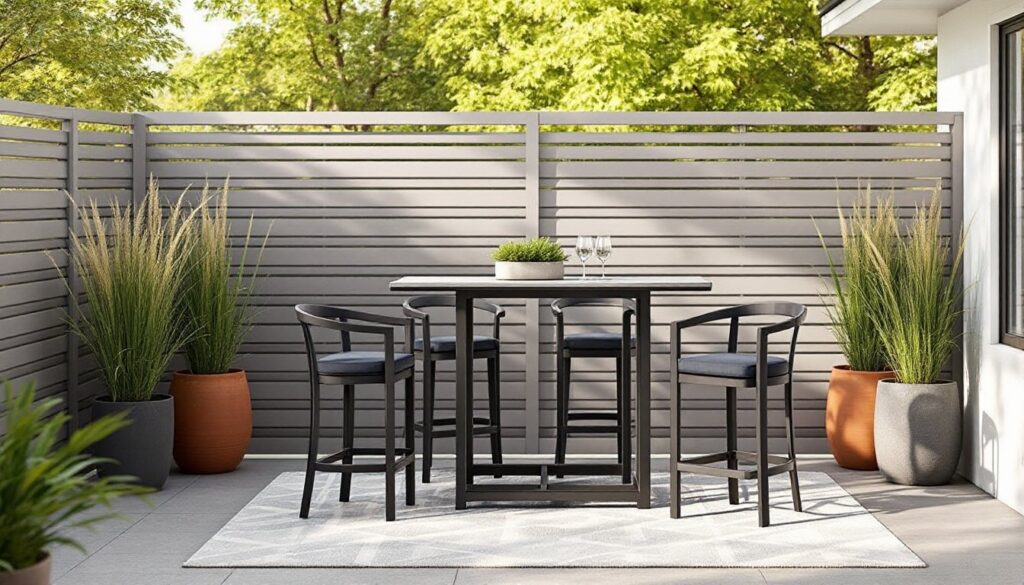
Bar height patio furniture transforms outdoor spaces into functional, social zones that feel more like an outdoor room than a backyard afterthought. These taller sets, typically 40 to 42 inches high, offer better sightlines, more comfortable standing conversations, and a modern aesthetic that’s become a staple in outdoor design. Whether outfitting a balcony, pool deck, or full patio, understanding the practical differences between bar height and standard dining sets helps homeowners make smart purchasing decisions that match how they actually use their outdoor space.
Table of Contents
ToggleKey Takeaways
- Bar height patio furniture sits 40 to 42 inches high—about 6 to 8 inches taller than standard sets—and requires 28 to 30 inch stools with 10 to 12 inches of clearance between seat and table for ergonomic comfort.
- Bar height furniture maximizes vertical space in compact patios and balconies, encourages casual socializing, and provides better sightlines over railings and obstacles compared to standard dining sets.
- Select bar height patio furniture materials based on climate: powder-coated steel or aluminum for durability, teak or eucalyptus for natural warmth, resin wicker for low maintenance, and poly lumber for coastal or high-humidity areas.
- Plan for at least 24 inches of table edge per person, 36 inches of walkway space around the table, and 78 inches of total clearance when placing bar height furniture under pergolas or covered patios.
- Position bar height sets to maximize views and traffic flow, pair with appropriately sized shade solutions and overhead lighting (30+ inches above the table), and add outdoor rugs and accessories that enhance functionality without creating visual clutter.
What Is Bar Height Patio Furniture?
Bar height patio furniture sits at 40 to 42 inches from the ground to the tabletop, matching the height of a typical kitchen bar counter. This is roughly 6 to 8 inches taller than standard patio dining sets, which sit at 28 to 30 inches.
The chairs or stools designed for bar height tables range from 28 to 30 inches in seat height, providing 10 to 12 inches of clearance between the seat and table surface, the ergonomic sweet spot for comfortable seating. Most bar stools include a footrest bar, which is essential at this height to prevent leg fatigue.
Bar height sets come in various configurations: bistro-style two-tops, four-seat square tables, rectangular six-seaters, and even counter-height pub tables with swivel stools. The distinction matters for planning, since bar height furniture has a noticeably different profile and requires adequate overhead clearance if placed under pergolas or covered patios.
Why Choose Bar Height for Your Outdoor Living Area?
Bar height furniture works especially well in compact spaces. The taller profile uses vertical space efficiently, making small balconies and patios feel more open rather than crowded. A bar height bistro set occupies the same footprint as a standard dining set but draws the eye upward, creating visual interest.
These sets excel at encouraging casual socializing. People naturally gather around bar height surfaces for drinks and appetizers without committing to a full sit-down meal. The elevation makes it easier to stand and chat or perch briefly, which fits how many homeowners actually use outdoor spaces, especially during parties.
Bar height tables also improve sightlines. Seated at 30 inches instead of 18, diners get better views over railings, planters, and other obstacles. On a deck with a 42-inch railing, bar height seating brings eye level above the rail cap, which standard chairs can’t match.
For poolside or deck installations, the taller stance keeps tabletops farther from ground moisture and reduces the risk of water pooling underneath during rain. This setup also pairs well with outdoor kitchens and built-in grills, creating a cohesive counter-height workflow from prep to serving.
Key Measurements and Dimensions You Need to Know
Table height: 40 to 42 inches is the industry standard. Some manufacturers label anything above 36 inches as “counter height,” but true bar height starts at 40 inches.
Seat height: Bar stools for these tables measure 28 to 30 inches from floor to seat. Counter-height stools (24 to 26 inches) are too short and create awkward reach angles.
Clearance: Allow at least 10 to 12 inches between the seat and underside of the table. Less clearance forces uncomfortable posture: more makes the table feel too high to reach comfortably.
Footprint per seat: Plan for 24 inches of table edge per person to avoid elbow crowding. A 48-inch round bar table comfortably seats four: a 36-inch bistro top seats two.
Overhead clearance: If placing furniture under a pergola, gazebo, or covered patio, measure from the floor to the lowest beam or ceiling fixture. Bar height furniture plus seated adults require at least 78 inches of total clearance to avoid head strikes when standing.
Walkway space: Leave 36 inches minimum around the table for chairs to pull out and for traffic flow. Tighter spaces work with backless stools or built-in benches that don’t require pull-out clearance.
Double-check actual dimensions before purchase. Nominal sizes can vary by manufacturer, and a 2-inch difference in table height dramatically affects comfort.
Best Materials for Bar Height Outdoor Furniture
Powder-coated steel and aluminum dominate the outdoor furniture market for good reason. Powder coating creates a durable, weather-resistant finish that resists rust and UV fading better than traditional paint. Many powder coated steel construction suitable options are lightweight enough to move yet sturdy enough to handle wind without tipping. Aluminum won’t rust but dents more easily than steel: steel is heavier and stronger but requires intact coating to prevent corrosion.
Wrought iron offers a classic look with serious weight, beneficial in windy areas but a liability if furniture needs to be moved seasonally. Quality wrought iron pieces last decades if the finish is maintained, but any chips or scratches expose bare metal to rust. Budget for touch-up paint every few years.
Teak and eucalyptus bring natural warmth and exceptional durability. Teak contains natural oils that resist moisture, insects, and rot without treatment, though it weathers to a silver-gray patina unless oiled annually. Eucalyptus is more affordable and nearly as durable but requires sealing every 1 to 2 years. Both woods are heavy, stable, and age gracefully.
Resin wicker over aluminum frames combines the look of natural wicker with all-weather performance. Quality resin wicker is UV-stabilized and won’t crack, fade, or unravel like natural materials. Check frame construction, aluminum frames outlast steel in humid climates. Cheap resin wicker becomes brittle after two to three seasons of sun exposure.
Poly lumber (HDPE) is recycled plastic molded to resemble wood. It won’t splinter, rot, or require refinishing, making it nearly maintenance-free. Poly lumber is heavier than wood and doesn’t have the same tactile warmth, but it’s ideal for coastal or high-humidity environments. Color runs throughout the material, so scratches don’t show bare substrate.
Avoid furniture with exposed fasteners prone to rust, lightweight frames that tip easily, or cushions without quick-dry foam cores. Bar height furniture sits higher and catches more wind, so stability and weight matter more than with standard sets.
How to Select the Right Bar Height Set for Your Patio
Start by measuring the available footprint and intended use. A bistro set works for morning coffee or intimate dinners: a six-seat rectangular table suits family meals and entertaining. Measure twice, accounting for chair pull-out and traffic flow, bar stools need at least 24 inches of pull-out space.
Consider the floor surface. Uneven flagstone or pavers may cause wobbling, especially with pedestal-base tables. Adjustable feet or rubber levelers compensate for minor irregularities. Four-leg bases are more forgiving than pedestal designs on unlevel surfaces.
Match material choice to climate and maintenance tolerance. Coastal areas demand rust-proof materials like aluminum, teak, or poly lumber. Dry climates with intense sun benefit from UV-stabilized finishes and materials that won’t crack from heat cycling. If furniture will stay outdoors year-round, prioritize materials that handle freeze-thaw cycles without degrading.
Swivel stools add convenience for conversation-heavy spaces but cost more and have more moving parts to maintain. Fixed stools are simpler and lighter but require users to reposition the whole stool to change angles. Backless stools tuck completely under the table, saving space, but aren’t comfortable for long meals. Full-back stools with armrests offer maximum comfort at the expense of bulkier profiles.
Test seat height in person if possible. A 28-inch stool feels dramatically different from a 30-inch model depending on leg length and table design. Most people find 29 inches ideal for a 41-inch table, but personal comfort varies.
For families with children, look for stools with stable, wide bases and avoid tippy designs. Consider whether the set will need to be stored seasonally, stackable stools and folding tables reduce winter storage requirements. Check weight limits, especially for resin wicker or molded plastic seating: quality pieces support 250 to 300 pounds, but budget models may max out at 200.
Styling and Placement Tips for Maximum Impact
Position bar height furniture to take advantage of views and natural traffic patterns. Placing a bar table near the edge of a deck or balcony maximizes sightlines without blocking walkways. Avoid positioning furniture directly in front of doors or high-traffic routes, the taller profile creates a visual and physical barrier more than standard height sets.
Pair bar height tables with shade solutions at the appropriate height. A 9-foot market umbrella works with a table that has a built-in umbrella hole, but freestanding shade structures need adequate clearance. If using a cantilever umbrella, position the base to avoid interfering with seating.
Outdoor rugs define the dining zone and add comfort underfoot when stepping onto stools. Choose rugs rated for outdoor use, polypropylene rugs resist moisture and mildew and can be hosed clean. Size the rug so all chair or stool legs rest on it even when pulled out, typically 8×10 feet for a four-seat table.
Lighting at bar height requires a different approach than standard dining. String lights or pendant fixtures should hang at least 30 inches above the table surface to avoid head strikes and glare. Solar stake lights and lanterns on the table itself work well for ambient lighting without requiring electrical work. Many outdoor living ideas incorporate layered lighting for both function and atmosphere.
Cushions and pillows soften metal or wood stools, but outdoor fabrics matter. Solution-dyed acrylic resists fading and mildew better than polyester. Quick-dry foam cores prevent the soggy-cushion problem after rain. Store cushions during extended wet periods to prolong life, or choose stools with contoured seats that don’t require cushions.
Accessorize with purpose. A bar cart positioned nearby holds drinks and serving pieces without cluttering the table. Weatherproof storage benches or deck boxes keep cushions, table linens, and entertaining supplies within reach. Planters at varying heights around the seating area add greenery without obstructing views, low groundcovers in the foreground, taller ornamental grasses behind.
For spaces that transition from day to night, consider pieces with dual function. Some bar tables include built-in coolers or fire features that become focal points after dark. Stools with swivel seats make it easy to pivot toward a fire pit or outdoor TV without rearranging furniture. Design experts at home improvement platforms emphasize adaptable layouts that support multiple uses throughout the day.
Conclusion
Bar height patio furniture delivers a versatile, space-efficient option for outdoor entertaining and everyday use. Choosing the right materials, confirming measurements, and placing pieces thoughtfully ensures a setup that looks sharp and functions well for years. Whether outfitting a compact balcony or a sprawling deck, the taller profile brings a modern edge and practical benefits that standard dining sets can’t match.