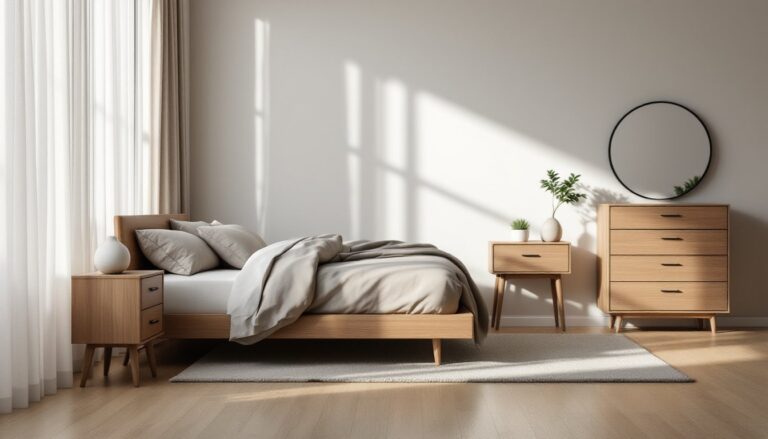

White bedroom furniture has outlasted decades of design trends for good reason. It’s not just about aesthetics, it’s about versatility, light reflection, and the ability to adapt to evolving styles without a full room overhaul. Whether you’re furnishing a master suite or a compact guest room, modern white furniture offers a clean foundation that works with minimalist, Scandinavian, coastal, or even eclectic design schemes. This guide walks through selecting, styling, and maintaining white bedroom pieces so they stay looking sharp for years.
Table of Contents
ToggleKey Takeaways
- Modern white bedroom furniture reflects up to 80% of light, making spaces feel 20-30% larger while appealing to the broadest buyer pool for home resale value.
- Platform beds with storage drawers and quality soft-close hardware are essential modern pieces that maximize function in compact rooms while ensuring durability.
- Choose between solid wood, MDF, lacquer, or laminate finishes based on durability needs—matte or satin lacquers offer the best practicality for high-touch surfaces like dressers and nightstands.
- Layer varied whites, natural textures (jute rugs, linen bedding), and strategic metallics to prevent white bedroom furniture from feeling cold or sterile.
- Maintain white furniture brightness with weekly dusting, appropriate cleaning products, prompt scratch repairs, and UV-protective window treatments to prevent yellowing over time.
Why Modern White Bedroom Furniture Remains a Top Design Choice
White furniture continues to dominate bedroom design because it solves practical problems. In smaller rooms (under 150 square feet), white pieces bounce natural and artificial light around, making spaces feel 20-30% larger than they measure. That’s not just perception, light-colored surfaces reflect up to 80% of light compared to darker finishes that absorb it.
From a resale perspective, white bedroom sets appeal to the broadest buyer pool. Real estate agents consistently note that neutral bedrooms photograph better and allow potential buyers to envision their own style. You’re not locked into a specific era or color palette, which matters when trends shift every 5-7 years.
Modern white furniture has also evolved beyond the glossy, plasticky finishes of the early 2000s. Today’s pieces feature matte lacquers, textured wood grains, and mixed materials like metal legs or reclaimed wood accents. You get the brightness without the sterile hospital feel. Many contemporary furniture designs now incorporate sustainable materials like FSC-certified hardwoods or low-VOC finishes, addressing both style and environmental concerns.
The practical benefits extend to longevity. White shows less dust than black furniture (counterintuitive but true, dust appears gray on dark surfaces). Quality white finishes resist yellowing when properly maintained, and minor scratches are easier to touch up with white paint markers or furniture pens than attempting to match stained wood tones.
Essential Pieces for Your Modern White Bedroom
Building a cohesive bedroom starts with selecting core pieces that balance function and visual weight. Modern white collections typically include platform beds, storage frames, dressers, nightstands, and wardrobes. Each serves specific purposes beyond just matching.
Platform Beds and Storage Bed Frames
Platform beds have become the standard in modern design, eliminating the need for box springs and sitting lower to the ground (typically 18-24 inches from floor to mattress top versus 30+ inches for traditional frames). Look for solid wood or engineered wood frames with a weight capacity of at least 500 pounds for a queen size, this accounts for mattress, occupants, and movement stress over time.
For smaller bedrooms (under 120 square feet), storage bed frames with built-in drawers recover otherwise wasted space. A queen frame with four underbed drawers adds roughly 10-12 cubic feet of storage, equivalent to a small dresser. Check that drawer mechanisms use ball-bearing slides rated for 75+ pounds: cheaper options use plastic tracks that fail within a year.
When selecting beds for furnished spaces, consider that bedroom essentials need to balance size with circulation space, leave at least 24 inches on each side for comfortable movement. Measure door frames and hallways before ordering: most modern platform beds ship in multiple pieces, but headboards can be bulky.
Dressers, Nightstands, and Wardrobes
Dressers anchor a bedroom’s storage system. A standard 6-drawer dresser (roughly 60 inches wide × 18 inches deep × 32 inches tall) holds an adult’s folded clothing for all seasons. Modern designs often feature soft-close drawer glides, worth the extra cost to prevent slamming and extend hardware life. Dovetail joinery in drawer boxes indicates quality construction that won’t separate under weight.
Nightstands should match bed height for ergonomic reach, aim for the top surface to sit level with or slightly below your mattress top when lying down. The standard depth is 16-18 inches, which clears most bedside items without jutting into walking paths. Models with USB charging ports (increasingly common in 2026) eliminate outlet clutter but verify they’re UL-listed to meet National Electrical Code standards.
Wardrobes fill the gap in bedrooms lacking adequate closet space. A functional wardrobe should be at least 24 inches deep to accommodate hangers (standard hangers are 17 inches wide) and 72 inches tall for hanging full-length garments without dragging. Particle board construction is common at lower price points: if going this route, ensure panels are at least 5/8-inch thick and use cam-lock or confirmat connectors rather than just dowels and glue.
For rooms with existing closet systems, bedroom storage solutions can be adapted by swapping out dressers for smaller accent pieces that serve dual purposes, benches with lift-top storage or narrow console tables.
Choosing the Right White Finish and Material
Not all white finishes perform equally. Understanding material and coating differences prevents buyer’s remorse six months in.
Solid wood (maple, birch, pine) offers durability and repairability but costs 40-60% more than engineered alternatives. White-painted solid wood develops a patina over time, minor dings add character rather than looking like damage. Look for furniture with primer and multiple topcoat layers: single-coat paint chips easily. Milk paint and chalk paint finishes create a matte, slightly textured look popular in farmhouse-modern hybrids but require wax sealing for moisture protection.
MDF (medium-density fiberboard) takes paint exceptionally well, creating smooth, uniform surfaces without visible grain. It’s denser than particle board and resists warping, making it suitable for painted furniture. But, MDF is heavy (a queen headboard can weigh 80+ pounds) and vulnerable to moisture, keep it away from humidifiers or damp basements. Edge banding should be inspected: exposed MDF edges swell and crumble if they get wet.
Lacquer finishes (polyurethane or acrylic) provide the most durable surface, resisting scratches and moisture better than latex paint. High-gloss lacquer reflects light dramatically but shows every fingerprint and dust speck. Matte or satin lacquer (10-40% sheen) offers better practicality for high-touch surfaces like dresser tops and nightstands. When evaluating pieces, run your hand across surfaces, quality lacquer feels glass-smooth, while cheaper finishes have slight texture or orange-peel effect.
Laminates (melamine or thermofoil over particle board or MDF) deliver the most budget-friendly option. Modern laminates convincingly mimic painted wood, but damage is permanent, chips expose brown substrate that can’t be sanded and refinished. If considering laminate, verify edge banding is heat-sealed rather than glued: glued edges peel within 2-3 years.
For those exploring various bedroom design approaches, the finish choice significantly impacts how white furniture interacts with wall colors and textiles. Matte whites read warmer: high-gloss reads cooler and more contemporary.
Styling Tips to Prevent Your White Bedroom from Feeling Cold
All-white bedrooms risk looking like a display room if you don’t layer in warmth and contrast. The fix involves texture, intentional color, and avoiding matchy-matchy pitfalls.
Layer varied whites and off-whites. True white (bright white, cool white) next to cream, ivory, or warm white creates depth without introducing color. This applies to walls, bedding, and furniture, a warm white bed frame against cool white walls provides subtle definition. Many modern bedroom schemes use this technique to maintain brightness while avoiding flatness.
Introduce natural materials. Jute rugs, linen bedding, wool throws, and raw wood accessories (mirrors, picture frames, wall shelves) add tactile variety. A jute area rug (8×10 feet for a queen bed) grounds the space and absorbs sound in rooms with hard flooring. Cotton or linen duvet covers have texture that reflects light differently than smooth furniture surfaces.
Use metallics strategically. Brushed brass, matte black, or aged bronze hardware (drawer pulls, lamp bases, curtain rods) creates visual anchor points. Swapping out standard chrome or nickel hardware on white furniture takes 15 minutes with a screwdriver and transforms the look. Most modern furniture uses standard M4 or 8-32 machine screws spaced 3 or 4 inches apart (measure before buying pulls).
Add one accent color in textiles. Terracotta, sage green, charcoal, or navy introduced through throw pillows, blankets, or a single upholstered chair prevents the room from feeling washed out. Stick to one primary accent color in varying shades rather than multiple competing hues, this maintains cohesion while adding personality.
Vary furniture heights and profiles. Pairing a low-profile platform bed (under 12 inches from floor to frame top) with a tall vertical dresser or wardrobe creates rhythm. All furniture at the same height reads monotonous. If your set came matching, consider swapping one piece (like nightstands) for something with different proportions or mixed materials.
Don’t skip artwork and wall decor. Large-scale art (40+ inches in one dimension) above the bed provides a focal point. In rooms with limited wall space, leaning artwork on dressers or using floating shelves adds layers without drilling multiple holes. When planning bedroom decorating ideas, remember that white furniture serves as a neutral backdrop, it needs something to frame.
Maintenance and Care for White Bedroom Furniture
White furniture stays bright with routine care and prompt attention to damage. Most failures stem from using wrong cleaning products or ignoring minor issues until they become major.
Dust weekly with microfiber cloths. Dry dusting removes particles before they scratch finishes. Avoid feather dusters, they redistribute dust rather than capturing it. For textured or carved details, use a soft-bristle brush (a clean 2-inch paintbrush works) to dislodge dust from crevices.
Clean with appropriate products for your finish. Painted and lacquered finishes tolerate gentle all-purpose cleaners (diluted dish soap works, use 1-2 drops per cup of warm water). Spray cleaner on the cloth, not directly on furniture, to prevent moisture seeping into joints or drawer slides. For furniture in high-contrast rooms, wiping down surfaces weekly prevents buildup that makes white look dingy.
Melamine and laminate surfaces handle moisture better but scratch easily, never use abrasive sponges or powdered cleansers. Wipe spills immediately: standing water dissolves adhesives in edge banding.
Address scratches and scuffs promptly. White furniture touch-up markers (available at hardware stores) conceal minor damage. For deeper scratches in painted wood, lightly sand with 220-grit sandpaper, wipe clean, apply matching white paint with a fine artist’s brush, then seal with clear polyurethane once dry. This takes 20 minutes and prevents a small scratch from expanding as you catch it with clothing or vacuum attachments.
Prevent yellowing. Quality white finishes resist UV yellowing, but prolonged direct sunlight still causes discoloration over years. Use blackout or UV-filtering window treatments on east- and west-facing windows where morning or afternoon sun hits furniture directly. If yellowing occurs on lacquered surfaces, a specialized furniture polish with mild abrasives (such as those made for piano finishes) can remove the yellowed layer, test in an inconspicuous spot first.
Tighten hardware annually. Drawer pulls, bed frame bolts, and wardrobe door hinges loosen with use. Walk through your bedroom with an Allen wrench set and screwdriver once a year, tightening any loose connections. This 30-minute task prevents drawers from racking (sitting crooked in openings) and hinges from sagging.
Protect surfaces from heat and moisture. Use coasters under drinks, felt pads under lamps and decor, and trivets under anything warm. Water rings on white furniture show up just as visibly as on dark wood. For rooms incorporating adjustable lighting schemes, keep heat-generating fixtures (particularly halogen bulbs if still in use) at least 12 inches from furniture surfaces to prevent finish damage.
White furniture that’s properly maintained outlasts darker pieces because surface damage is easier to repair and touch-ups blend seamlessly. The key is addressing issues when they’re minor rather than waiting until refinishing becomes necessary.