Buying living room furniture feels like a gamble. You’re sinking hundreds or thousands of dollars into pieces you can’t really test-drive until they’re sitting in your home. Reviews promise to help, but wading through endless five-star testimonials and one-star rants leaves most people more confused than confident. The key isn’t reading more reviews, it’s knowing how to decode them. This guide breaks down what actually matters in 2026 furniture reviews, from construction details manufacturers bury to real-world durability tests that separate hype from quality. Whether you’re hunting for a sofa that survives toddlers and pets or a coffee table that won’t wobble after six months, here’s how to read between the lines and choose pieces that actually last.
Table of Contents
ToggleKey Takeaways
- Read living room furniture reviews posted at least 6–12 months after purchase to assess long-term durability, not initial impressions or box condition.
- Prioritize kiln-dried hardwood frames with dowel and corner-block joinery, high-density foam (1.8+ lbs/cubic foot), and performance fabrics with 15,000+ Martindale rub counts for pieces that withstand daily use.
- Check specific construction details like frame materials, cushion fill descriptions, and leg attachment methods—reviews mentioning these specifics indicate reviewers understand what separates quality from hype.
- For sofas and sectionals, verify seat height (17+ inches for tall adults), reinforced corner joints on sectionals, and proper orientation (RAF/LAF) before ordering to avoid costly returns.
- Assess cable management, ventilation, and weight ratings on entertainment centers; enclosed cabinets without rear ventilation cause electronics to overheat, and stands should support 1.5× the TV’s actual weight.
- Test recliners and accent chairs for exposed frame quality (mortise-and-tenon joinery beats screws alone), fabric durability on high-contact armrests, and realistic weight capacity buffers—aim for 50 lbs above expected use.
What to Look for When Reading Furniture Reviews
Not all reviews carry the same weight. Skip the ones posted within 48 hours of delivery, they’re judging the box, not the furniture. Look for reviews dated at least six months out, preferably a year or more. That’s when joinery starts to loosen, cushions show their true compression, and finishes reveal whether they’re actual wood veneer or glorified contact paper.
Frame construction should be the first detail mentioned in any credible review. Kiln-dried hardwood frames (oak, maple, birch) joined with dowels, corner blocks, and wood glue will outlast stapled particleboard by decades. If a reviewer mentions the frame at all, that’s a good sign they know what they’re looking at. If they don’t, assume it’s engineered wood or softwood, which isn’t necessarily bad for accent pieces, but won’t handle daily use on a sofa or dining chair.
Pay attention to cushion fill descriptions. High-density polyurethane foam (1.8 lbs/cubic foot or higher) holds its shape far longer than standard foam. Down-wrapped foam cores give you the sink-in comfort without the constant fluffing pure down requires. Reviewers who mention “firmness after a year” or “no sagging in the center” are talking about density, even if they don’t use the term.
Fabric and finish durability separates showroom shine from real-world performance. Look for Martindale rub counts on upholstery (15,000+ for light use, 30,000+ for family rooms). Leather should specify full-grain or top-grain: anything labeled “genuine leather” is often scraps bonded together. For wood furniture, reviewers mentioning water rings, heat marks, or scratches within months are red flags that the finish is too thin or improperly applied.
Finally, check whether the reviewer assembled the piece themselves. Furniture requiring assembly isn’t inherently bad, but reviews mentioning stripped cam locks, misaligned dowel holes, or missing hardware point to quality control issues that’ll haunt you during setup. Professional delivery and assembly costs $100–$300 depending on the piece, but it’s worth it for complex sectionals or anything over 150 lbs.
Best Sofa and Sectional Reviews for 2026
Top-Rated Sofas for Durability and Comfort
Sofas take more abuse than any other furniture piece, so frame construction and cushion quality aren’t optional. The standout models in 2026 reviews share a few traits: kiln-dried hardwood frames, eight-way hand-tied springs (or at least sinuous springs with proper spacing), and removable cushion covers for cleaning.
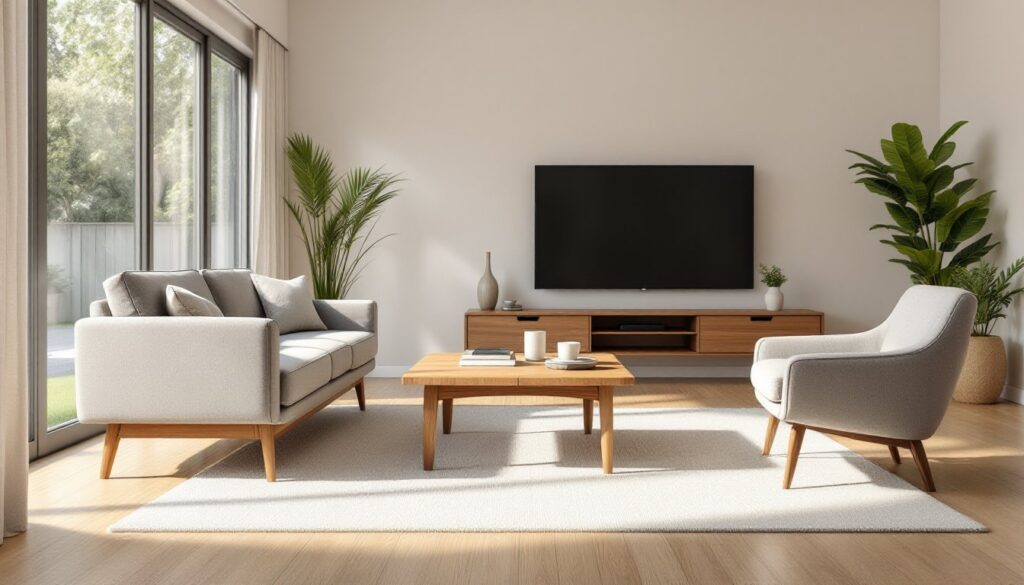
Mid-century modern designs continue to dominate, but the best-reviewed models ditch the spindly legs that were never meant for daily use. Look for reviews mentioning solid wood legs at least 1.5 inches in diameter or metal legs with floor glides to prevent wobbling. Track-arm sofas with low profiles suit smaller rooms, but reviewers consistently note that anything under 17 inches seat height feels awkward for adults over six feet tall.
Performance fabrics, treated polyester blends that repel stains and moisture, appear in nearly every top review. Crypton, Sunbrella, and similar treatments aren’t just marketing. Reviewers with kids and pets report wiping up wine, pet accidents, and marker without permanent staining, something traditional cotton or linen can’t match. The trade-off? Performance fabrics sometimes feel slightly plasticky compared to natural weaves, though 2026 formulations have improved texture significantly.
Comfort is subjective, but reviews of highly-rated sofas emphasize the balance between initial sink-in feel and long-term support. Sofas that feel cloud-like in the showroom often bottom out within a year if the foam density is below 1.8 lbs/cubic foot. Reviewers who mention “still supportive after two years” are usually describing furniture built on quality plywood decking rather than webbing alone.
Sectionals That Balance Style and Functionality
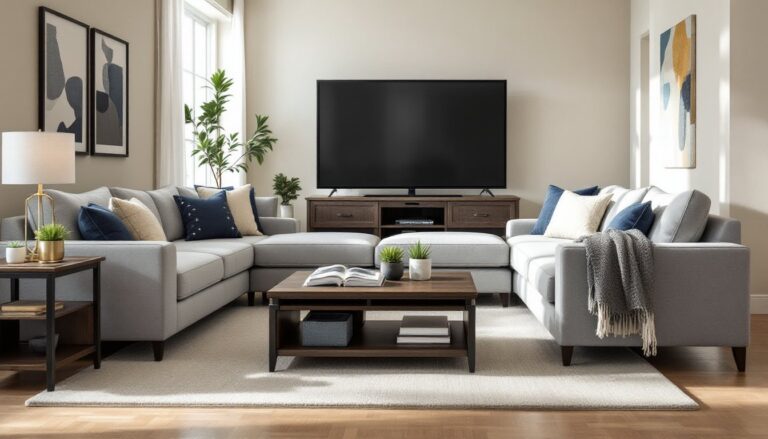
Sectionals solve layout challenges but create new ones. The top-reviewed sectionals in 2026 share modular flexibility, individual pieces that reconfigure without tools, and realistic dimensions. Many buyers underestimate sectional footprint: a standard L-shaped sectional occupies roughly 100–120 square feet when you account for walkways.
Reviewers consistently praise sectionals with reinforced corner joints. The corner piece takes diagonal stress that straight sofas don’t experience, so look for reviews mentioning metal brackets or hardwood corner blocks. Sectionals held together solely with clips or hooks tend to separate with use, creating a gap that swallows remotes and snacks.
Chaise orientation matters more than most people realize. Right-arm-facing (RAF) and left-arm-facing (LAF) designations describe the chaise position when you’re facing the sectional. Reviewers who bought the wrong orientation can’t always return or exchange due to size and shipping costs. Measure your room and sketch the layout before ordering, this isn’t a decision to eyeball.
Storage sectionals with lift-top chaises get mixed reviews. The hydraulic lifts add 40–60 lbs to the chaise, making rearranging a two-person job. But for homes without basement or garage storage, the 10–15 cubic feet of hidden space is worth the weight penalty. Check reviews for mentions of lift mechanism failures: cheap gas struts lose pressure within a year.
Coffee Table and Accent Table Reviews
Coffee tables are where design meets physics, and reviews reveal which manufacturers understand the difference. The best-reviewed tables in 2026 have tops at least 1 inch thick (or appear that way via apron construction) and bases positioned for knee clearance on all sides.
Glass-top tables photograph beautifully but earn lukewarm reviews for daily use. Tempered glass is safe, but it shows every fingerprint, dust mote, and water ring. Reviewers with young kids report constant Windex duty. Wood tops, solid or veneered over plywood substrate, handle real life better. Veneer isn’t a dirty word if it’s actual wood veneer over stable plywood rather than printed laminate. Run your finger across the edge: you should feel grain texture, not plasticky smoothness.
Leg attachment is where cheap tables fail. Reviews mentioning wobbly tables within weeks usually describe legs attached with hanger bolts screwed into particleboard. Quality tables use threaded inserts in solid wood or metal brackets through-bolted to the apron. If assembly instructions mention wood glue plus to hardware, that’s a positive sign the manufacturer expects the table to last.
Height standardization helps with reviews. Coffee tables should land 14–18 inches high, roughly the same as your sofa seat or slightly lower. Anything above 20 inches functions more like an ottoman and forces awkward reaching. Side tables and end tables need to match or slightly exceed sofa arm height (typically 24–26 inches) so you’re not reaching down for a drink.
Live-edge and waterfall-edge designs dominate 2026 style trends, but reviewers note durability concerns. Live edges with bark inclusion often crack as the wood continues to dry indoors. Waterfall edges (where the grain wraps continuously from top to side) require book-matched veneer, and cheap versions show obvious seams or grain mismatch. These aren’t DIY-friendly fixes if they fail.
Entertainment Center and TV Stand Reviews
TV stands need to handle weight, cable management, and ventilation, three things manufacturer specs often gloss over. The best-reviewed stands in 2026 are rated for at least 1.5 times the TV’s actual weight. A 50-inch TV weighing 30 lbs needs a stand rated for 45+ lbs to handle the dynamic load when kids or pets bump it.
Depth matters as much as width. Stands should be at least 2 inches deeper than the TV’s base footprint to prevent tipping, but many reviews describe TVs hanging precariously over the edge. Measure your TV’s base, not the screen diagonal, before ordering. If you’re wall-mounting above the stand, this is less critical, but the stand still needs to handle AV equipment weight.
Cable management separates functional stands from decorative ones. Look for reviews mentioning rear cutouts or grommets positioned where devices actually sit. Cheap stands put cable holes in the wrong spots, forcing wires to run externally. Better designs include a rear panel cutout spanning the full width plus vertical channels or clips to route cables neatly. Choosing designs with proper cable organization can drastically reduce visual clutter.
Ventilation is crucial for enclosed cabinets housing game consoles, receivers, or streaming devices. Electronics generate heat, and reviewers consistently report overheating in cabinets without rear panel ventilation or open backs. If the stand has doors, ensure there’s at least 2 inches of clearance on all sides of heat-generating equipment. Tempered glass doors look sleek but trap more heat than wood or open shelving.
Adjustable shelving gets high marks in reviews, but check the shelf pin design. Plastic pins in particleboard holes strip out easily. Metal pins in metal inserts or solid wood last indefinitely. Shelves should be at least 0.75 inches thick to prevent sagging under equipment weight, most AV receivers weigh 15–25 lbs, and reviewers mention bowing shelves as a common failure point.
Accent Chair and Recliner Reviews
Accent chairs live or die on comfort and frame strength, but reviews for these pieces skew heavily toward aesthetics. That’s a mistake. A chair that looks great but collapses after a year isn’t solving any problems.
For upholstered accent chairs, the same frame and foam rules apply as sofas: kiln-dried hardwood, 1.8+ lb density foam, corner blocks. But chairs face unique stress at the front legs, where the seat frame cantilevers forward. Reviews mentioning cracking or splitting near front leg joints indicate inadequate support, usually a softwood frame or legs attached with screws alone rather than mortise-and-tenon or dowel joinery.
Wingback and club chairs consistently rate well for lounging, but they’re deceptively heavy, 50 to 80 lbs for quality pieces. If you rearrange furniture seasonally, consider reviewing options that weigh less or have recessed casters. Some homeowners successfully lift chairs with furniture risers to make moving easier without sacrificing style.
Mid-century accent chairs with exposed wood frames look timeless, but reviews reveal quality variance. Inspect (or zoom in on photos) where the wood meets upholstery. Visible staples, fraying fabric edges, or gaps indicate rushed upholstery work that’ll worsen over time. Quality pieces have fabric pulled taut and secured underneath where it’s invisible, with welting or nailhead trim covering seams.
Recliner mechanisms are mechanical systems that fail eventually, so warranty length matters. Top-reviewed recliners in 2026 offer 5+ years on mechanism and frame, 1–2 years on upholstery. Manual recliners (lever or push-back) have fewer failure points than power recliners, but power models with USB charging ports and independent back/footrest controls dominate sales.
Power recliners require wall clearance planning. Traditional recliners need 12–18 inches behind them to fully recline. Wall-hugger mechanisms reduce this to 4–6 inches but sacrifice some recline angle. Reviewers mention this constantly, measure your space and account for baseboards or window trim before assuming a wall-hugger will fit.
Fabric durability on recliners gets tested hard. Armrests see constant contact, and the mechanism area flexes with every use. Performance fabrics and upholstery repairs extend recliner life significantly. Leather holds up better than fabric on high-contact areas, but it also shows wear differently, patina versus pilling. Reviews noting fading or peeling within a year usually describe bonded leather (leather scraps with polyurethane coating), not genuine full-grain.
Finally, test weight capacity claims against reviews. Recliners rated for 250 lbs often sag or fail mechanisms when used regularly at that weight. Build in a 50 lb buffer for longevity, if the household maximum user is 220 lbs, target a 270+ lb capacity.