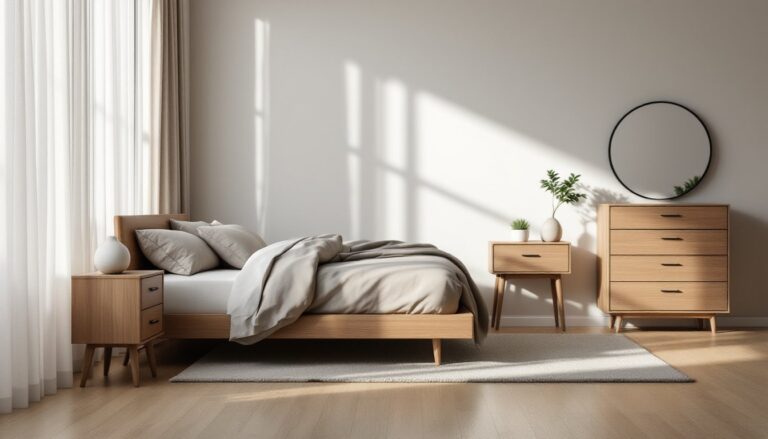

Cream living room furniture strikes that sweet spot between timeless elegance and practical versatility. Unlike stark white that shows every speck of dirt or dark tones that can feel heavy, a cream furniture set offers warmth without overwhelming a space. Whether you’re working with a compact apartment or a sprawling open-concept layout, cream upholstery and case goods adapt to nearly any design direction, from farmhouse to contemporary. This guide walks through what to consider when selecting a cream set, how to style it so it doesn’t wash out, and the real-world maintenance you’ll need to keep it looking sharp for years.
Table of Contents
ToggleKey Takeaways
- A cream living room furniture set offers timeless elegance and versatility, adapting seamlessly to farmhouse, contemporary, or traditional design styles without limiting your aesthetic choices.
- Cream upholstery reflects natural and artificial light to make smaller spaces feel more open and works as a neutral resale investment that appeals to a broad range of buyers.
- Prioritize performance fabrics rated for 25,000+ double rubs if you have kids or pets, and match cream undertones (warm yellow or cool gray) to your wall paint and existing décor to avoid a murky appearance.
- Anchor cream furniture with visual contrast through dark accent walls, charcoal rugs, or walnut wood; layer textures with throws, leather, and velvet; and introduce seasonal color through accessories rather than replacing the sofa itself.
- Maintain cream upholstery by vacuuming weekly, blotting spills immediately (never rubbing), checking your fabric’s cleaning code tag, rotating cushions monthly, and applying UV-protective treatments to prevent yellowing from sunlight.
Why Choose a Cream Living Room Furniture Set
Versatility across design styles is cream’s biggest selling point. A cream sofa or sectional plays well with mid-century modern walnut, industrial metal accents, coastal blues, or traditional carved wood. You’re not locked into one aesthetic, which matters if you like rotating accessories seasonally or plan to move homes in a few years.
Light reflection is another practical win. Cream surfaces bounce natural and artificial light around the room, making smaller spaces feel more open. If you’re dealing with a north-facing living room or limited windows, cream upholstery can offset that lack of brightness without requiring a full repaint.
Resale and broad appeal also come into play. Neutral furniture sets photograph well for listings and don’t polarize potential buyers the way bold jewel tones might. If you’re staging a home or planning to sell within five years, cream is a safe investment.
That said, cream isn’t pure white, it carries warm undertones (yellow, beige, or even slight pink) that can clash with cool grays or icy blues if you’re not intentional about your palette. Test swatches under your actual lighting before committing to a full set.
Types of Cream Living Room Furniture Sets Available
Traditional Cream Furniture Sets
Traditional sets lean on rolled arms, tufted backs, turned legs, and carved wood details. Look for linen or cotton-blend upholstery in an ivory or antique cream shade, these fabrics take on a slightly lived-in patina that suits classic interiors. Common configurations include a sofa, loveseat, and accent chair, often with exposed hardwood feet in cherry, mahogany, or distressed oak finishes.
Many traditional sets feature nailhead trim along seams and arms, which adds visual weight and helps define the silhouette. If you’re pairing with Persian rugs, crystal chandeliers, or heavy drapes, this detailing prevents the cream from feeling too soft or modern.
Performance fabrics weren’t common in older traditional designs, but newer manufacturers now offer stain-resistant treatments on linen-look polyester blends. This is worth prioritizing if you want the aesthetic without constant dry-cleaning bills.
Modern and Contemporary Cream Sets
Modern and contemporary sets strip away ornamentation. Expect clean lines, low-profile frames, track or square arms, and modular sectional options. Upholstery choices skew toward performance velvet, bouclé, or tight-weave polyester, materials that hold their shape and resist pilling.
Many contemporary cream sets use floating bases or metal legs (brushed nickel, matte black, or brass) to create visual lightness. This works especially well in open-concept layouts where you want the furniture to feel substantial without blocking sightlines.
Modular sectionals dominate this category. You can start with a three-seat sofa and add a chaise or corner wedge later, which is helpful if you’re phasing a furniture purchase or adapting to a new floor plan. Just confirm that the manufacturer keeps the same fabric dye lots in stock, cream shades can vary batch to batch.
Some modern sets incorporate mixed materials: a cream upholstered sofa paired with a wood-and-metal coffee table and cream leather accent chairs. This prevents the monochrome look from feeling flat.
How to Select the Right Cream Furniture Set for Your Space
Measure twice, order once. Record your room dimensions, doorway widths, hallway turns, and ceiling height. Most sectionals ship in pieces, but a single-frame sofa needs to clear your entry. Standard sofa depths run 36 to 40 inches: if your room is narrow, look for apartment-scale options at 32 to 34 inches deep.
Undertone matching matters more with cream than with true neutrals like charcoal. Hold fabric swatches next to your wall paint, existing rug, and trim. Cream with yellow undertones pairs well with warm woods and brass: cream with gray undertones works with cooler palettes and chrome. Mismatched undertones create a murky, unfinished look.
Fabric durability should align with your household. If you have kids, pets, or frequent guests, prioritize performance fabrics rated for 25,000+ double rubs (a measure of abrasion resistance). Crypton, Sunbrella, and proprietary treatments from brands like Revolution offer stain and moisture resistance without the plasticky feel of vinyl.
For low-traffic, adult-only spaces, natural linen or cotton can work, but expect to vacuum weekly and spot-treat spills immediately. Avoid cream silk or untreated wool unless you’re prepared for professional cleaning every six months.
Cushion fill affects both comfort and longevity. High-resilience foam (density of 1.8 lbs/ft³ or higher) holds its shape better than standard polyurethane. Down-wrapped foam combines support with a plush top layer, but requires regular fluffing. Spring-core cushions (like eight-way hand-tied) last decades but cost significantly more and add weight, helpful if you never want to rearrange, problematic if you like to move furniture seasonally.
Frame construction isn’t visible, but it’s worth asking about. Kiln-dried hardwood frames (oak, maple, or birch) resist warping. Corner-blocked and doweled joints outlast stapled frames. If the manufacturer won’t disclose construction details, that’s a red flag.
Budget and phasing: A quality cream sofa starts around $800 for apartment-scale, $1,200–$2,000 for full-size, and $2,500+ for sectionals or premium materials. Regional pricing varies, shipping adds $100–$300 depending on distance and White Glove service. If budget is tight, buy the sofa first and add accent chairs or a loveseat later rather than settling for a low-quality full set.
Styling Tips: Making Your Cream Furniture Shine
Layer textures to prevent the room from looking washed out. Pair a cream linen sofa with a chunky knit throw, leather ottoman, jute rug, and velvet pillows. Mixing matte and sheen finishes, like a flat-weave rug with satin-finish accent pillows, adds depth without introducing color.
Anchor with contrast. Cream furniture needs visual weight somewhere in the room. Options include a dark accent wall, black window frames, a charcoal area rug, or wood furniture in walnut or espresso. Without contrast, the space can feel indistinct, especially in open-concept layouts.
Introduce color through accessories, not the sofa itself. Swap throw pillows and blankets seasonally: navy and mustard in fall, seafoam and coral in summer. This keeps the look fresh without replacing expensive upholstered pieces. Stick to two or three accent colors per season to avoid a chaotic feel.
Lighting matters. Cream upholstery can look dingy under cool LED bulbs (5000K+). Aim for warm white LEDs (2700K–3000K) in living areas. Layer ambient (overhead), task (reading lamps), and accent (picture lights, sconces) sources to highlight textures and prevent flatness.
Artwork and large-scale decor should pull focus. A large abstract painting, oversized mirror, or gallery wall draws the eye and prevents the cream furniture from blending into the walls. Contemporary furniture trends often emphasize minimalist styling, which pairs well with cream’s understated elegance.
Avoid cream overload. If your walls, rug, and furniture are all cream, the room lacks definition. Break it up: cream sofa, medium-tone rug, white or gray walls. Or flip it: cream walls, patterned rug, cream sofa with bold pillows. Just don’t let every surface hover in the same tonal range.
Maintaining and Caring for Cream Upholstery
Vacuum weekly using the upholstery attachment. Dust, pet hair, and crumbs work into fabric fibers and cause premature wear. For tufted or channel-back designs, use a crevice tool to clear seams.
Blot spills immediately, never rub. Rubbing pushes liquid deeper into the weave. Blot with a clean, white cloth (dyed towels can transfer color) from the outside in to prevent spreading. For water-based spills (coffee, juice), use a damp cloth with a drop of mild dish soap. For oil-based stains (grease, makeup), try a small amount of rubbing alcohol on a hidden seam first.
Check the cleaning code tag on your furniture (usually stapled under a cushion). W means water-based cleaners are safe, S means solvent-based only, WS means either works, and X means vacuum only, no liquids. Using the wrong cleaner can set stains or damage fibers.
Rotate cushions monthly if they’re reversible. This evens out wear and prevents body impressions from becoming permanent. Fluff down or down-blend cushions daily to maintain loft.
Professional cleaning every 12–18 months extends fabric life, especially for non-performance materials. Steam cleaning works for W-coded fabrics: dry-cleaning (solvent extraction) is necessary for S-coded. Expect to pay $150–$300 for a full sectional, less for a single sofa.
Sunlight protection is critical. UV rays yellow cream fabrics over time. Use window film, UV-blocking shades, or sheer curtains on south- and west-facing windows. If you can’t control sunlight, performance fabrics with UV inhibitors hold up better than natural fibers.
Stain-resistant treatments can be reapplied. Products like Scotchgard Fabric Protector add a layer of defense, but they wear off with use and cleaning. Reapply annually, following the manufacturer’s instructions and testing on a hidden area first.
Pet owners: trim pet nails regularly, cover high-traffic seating with washable throws, and address accidents immediately with an enzymatic cleaner to prevent odor set-in. For homes with shedding pets, consider performance velvet or tight-weave synthetics that release fur more easily than linen.
Avoid harsh chemicals. Bleach, ammonia-based cleaners, and hydrogen peroxide can discolor or weaken cream fabrics. Stick to pH-neutral upholstery cleaners or DIY solutions (1 part white vinegar to 2 parts water for light cleaning).
Many design publications and contemporary furniture resources emphasize that regular, gentle maintenance beats infrequent deep cleans. Cream upholstery isn’t high-maintenance if you address issues as they happen rather than letting stains set for days.